


History #
Valerian has been cherished for its calming effects for centuries:
Ancient Greece and Rome: Used by Hippocrates and Galen for insomnia, headaches, and nervousness.
Medieval Period: Valerian root was used as a remedy for epilepsy, anxiety, and as a sedative.
Traditional Medicine: Widely used in Ayurveda and traditional Chinese medicine for its calming and pain-relieving properties.
Folklore: In European traditions, valerian was believed to ward off evil spirits and protect against witchcraft.
World War II: Valerian was used in Europe to alleviate stress during air raids.
Modern Era: Continues to be a popular herbal remedy for sleep disorders and anxiety. Valerian has been associated with relaxation and resilience.
Nutritional Values #
Valerian contains bioactive compounds that contribute to its medicinal effects:
Valerianic Acid: Modulates the brain’s gamma-aminobutyric acid (GABA) receptors, promoting relaxation.
Iridoids: Offer anti-inflammatory benefits.
Antioxidants: Protect cells from oxidative stress.
Alkaloids: Contribute to its sedative and calming properties.
Appeal
Natural Sedative:
Known as “nature’s tranquilizer” due to its effectiveness in promoting sleep.
Stress and Anxiety Relief
Acts on GABA receptors to reduce stress and promote relaxation.
Reduces symptoms of generalised anxiety disorder (GAD).
Holistic Wellness: Appeals to those seeking natural alternatives for stress relief.
Neurological Support
May reduce the frequency and severity of migraines.
Improves focus and reduces hyperactivity in some cases.
Versatile Usage: Found in teas, capsules, tinctures, and extracts.
Accessibility: Widely available in health stores and pharmacies.
Alternative Names #
Valerian is known by different names globally:
- Scientific Name: Valeriana officinalis.
- Garden Heliotrope: Refers to its use as a garden plant.
- All-Heal: Highlights its historical use as a remedy for various ailments.
- Valeriana: Common name in many European languages.
Uses of Valerian #
Valerian is versatile and can be used in various ways:
Herbal Tea
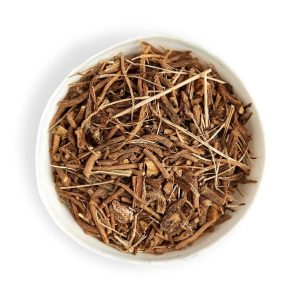
Made from dried valerian root to promote relaxation and improve sleep.
Capsules and Tablets
Standardised extracts for precise dosing.
Tinctures and Oils
Used in aromatherapy or taken as drops for quick relief.
Bath Soaks
Added to bathwater for a calming and therapeutic soak.
How To Make Valerian Tea: #
- Add 1 teaspoon of dried valerian root to a cup of hot water or pot of simmering water.
- Steep in cup or simmer in pot for 10–15 minutes, strain, add some honey if desired, and enjoy before bedtime.
Valerian is a powerful herb that has stood the test of time as a natural remedy for stress, anxiety, and sleep disorders. Its rich history and diverse applications make it a valuable addition to herbal wellness practices
.Precautions
- Moderation: Excessive consumption may lead to headaches or dizziness.
- Interactions: Consult a doctor if taking sedatives or anti-anxiety medication.
- Pregnancy: Should be avoided during pregnancy or breastfeeding.


