


 #
#
The Wonders of Chrysanthemum Tea #
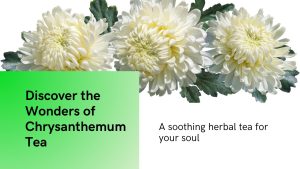
Chrysanthemum tea is a fragrant herbal infusion made from the dried flowers of the chrysanthemum plant, widely cherished in East Asian cultures for its delicate flavour, calming properties, and numerous health benefits. This golden-hued tea has a rich history, supported by traditional and modern science, that showcases its medicinal potential and cultural significance.
The chrysanthemum flower, native to East Asia, has been cultivated for over 2,000 years, primarily in China and Japan. In traditional Chinese medicine (TCM), chrysanthemum tea has been celebrated since the Song Dynasty (960-1279 AD) as a natural remedy to clear heat from the body, improve eyesight, and promote overall well-being. It was often enjoyed by scholars and royalty for its soothing qualities and ability to enhance focus and relaxation.
In Japan, the chrysanthemum is a symbol of longevity and rejuvenation. The flower is prominently featured on the Imperial Seal of Japan, signifying its cultural importance. Over time, chrysanthemum tea spread to other parts of Asia and the world, becoming a beloved beverage for its pleasant aroma and health benefits.
Medicinal Benefits of Chrysanthemum Tea #
- Rich in Antioxidants: Chrysanthemum tea is packed with flavonoids, anthocyanins, and vitamins such as vitamin C and beta-carotene. These antioxidants help neutralize free radicals, reducing oxidative stress and promoting healthy aging.
- Supports Eye Health: Chrysanthemum tea is traditionally used to relieve tired or dry eyes, especially for people who spend long hours in front of screens. Modern studies suggest its carotenoid content may support retinal health and reduce eye strain.
- Improves Respiratory Health: Its anti-inflammatory and antimicrobial properties make chrysanthemum tea an effective remedy for relieving symptoms of colds, sinus congestion, and sore throats.
- Reduces Stress and Promotes Relaxation: The soothing aroma and mild sedative properties of chrysanthemum tea help calm the mind, making it an excellent choice for reducing anxiety and improving sleep quality.
- Lowers Blood Pressure: Research suggests that drinking chrysanthemum tea may help dilate blood vessels and improve circulation, contributing to healthier blood pressure levels.
- Detoxification and Cooling Effect: In TCM, chrysanthemum tea is classified as a “cooling” beverage, making it ideal for reducing internal heat, such as fever or inflammation.
Scientific Evidence Supporting Chrysanthemum Tea #
- Anti-Inflammatory Properties: Studies have shown that extracts from chrysanthemum flowers possess potent anti-inflammatory effects, which may benefit conditions like arthritis and other inflammatory disorders.
- Antimicrobial Activity: Research indicates that chrysanthemum contains compounds that inhibit the growth of bacteria and fungi, supporting its traditional use for preventing infections.
- Neuroprotective Effects: Some studies suggest that chrysanthemum extracts may have neuroprotective properties, helping to protect brain cells from oxidative damage and potentially reducing the risk of neurodegenerative diseases like Alzheimer’s.
 #
#
How to Make Chrysanthemum Tea #
Ingredients:
- 1 tablespoon of dried chrysanthemum flowers
- 2 cups of hot water (approximately 175-185°F / 80-85°C)
- Optional: honey or rock sugar for sweetness
Instructions:
- Rinse the dried chrysanthemum flowers with cold water to remove any impurities.
- Place the flowers in a teapot or cup.
- Pour the hot water over the flowers and let steep for 5-7 minutes.
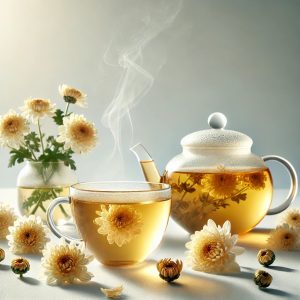
- Strain the tea into a glass mug (or keep the flowers for aesthetic appeal).
- Sweeten with honey or rock sugar if desired.
Tip: For a more robust flavour, combine chrysanthemum flowers with goji berries, licorice root, or green tea.
Other Uses of Chrysanthemum #
- In Skincare: Chrysanthemum extracts are used in creams and serums for their anti-inflammatory and antioxidant properties, helping to soothe sensitive or irritated skin.
- As a Culinary Ingredient: In some Asian cuisines, chrysanthemum flowers are used to flavour soups, stir-fries, and salads.
- Aromatherapy: Chrysanthemum essential oil is used for relaxation and stress relief in diffusers or massage oils.
A Cup Full of Comfort and Wellness #
Chrysanthemum tea offers a delightful combination of flavour, fragrance, and health benefits. Whether you’re looking to unwind after a long day or support your immune system, this herbal tea is a natural and effective choice. Its long history in traditional medicine, coupled with modern scientific findings, cements its status as a must-try beverage for tea lovers and wellness enthusiasts alike.


