


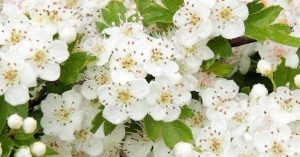
Hawthorn, derived from the Crataegus species of shrubs and trees, has been used for centuries in traditional medicine, particularly in Europe, China, and North America.
Cultural Significance: In ancient Greece and Rome, hawthorn was associated with health and protection. It has been featured in folklore as a symbol of love and vitality.
Traditional Use: Since the Middle Ages, hawthorn has been recognized as a “heart herb,” used to treat cardiovascular conditions, digestive issues, and insomnia. Chinese medicine also regards it as a remedy for improving circulation and reducing stagnation.
Medical and Scientific Benefits of Hawthorn Tea #
Hawthorn tea is celebrated for its potential cardiovascular and overall health benefits. These effects are attributed to the plant’s bioactive compounds, including flavonoids, oligomeric proanthocyanidins (OPCs), and phenolic acids.
Cardiovascular Health
- Blood Pressure Regulation: Hawthorn has vasodilatory effects, meaning it helps widen blood vessels, promoting better blood flow and reducing high blood pressure.
- Heart Strengthening: Studies suggest hawthorn improves heart muscle contractions, aiding individuals with heart failure.
- Cholesterol Reduction: Hawthorn may help lower LDL cholesterol levels and prevent plaque build up in arteries.
Antioxidant Properties
- Fights Oxidative Stress: Hawthorn is rich in antioxidants, which neutralize free radicals that can damage cells and lead to chronic diseases.
- Reduces Inflammation: Its anti-inflammatory properties support heart health and overall well-being.
Digestive Support #
- Improves Digestion: Hawthorn can alleviate symptoms like bloating, indigestion, and loss of appetite.
- Regulates Gut Health: By promoting healthy gut flora, it aids in overall digestive function.
Calming and Stress Reduction #
- Reduces Anxiety: Hawthorn has mild sedative properties, which can help relieve stress and promote relaxation.
- Supports Sleep: It may help improve sleep quality due to its calming effects.
#
How to Make Hawthorn Tea #
Ingredients #
- 1-2 teaspoons of dried hawthorn berries, leaves, or flowers (or a combination)
- 1 cup of water
- Optional: Honey or lemon for flavour
Instructions #
- Boil Water: Bring 1 cup of water to a boil.
- Add Hawthorn: Place the dried hawthorn berries, leaves, or flowers in a teapot or cup.
- Steep: Pour the hot water over the hawthorn and let it steep for 10-15 minutes.
- Strain and Serve: Strain the tea into a cup and add honey or lemon if desired.
- Enjoy: Drink 1-2 cups per day for maximum benefits.
Tips for Brewing #
- Quality: Use high-quality, organic hawthorn to ensure potency and safety.
- Blends: Combine hawthorn with other heart-healthy herbs like hibiscus or rooibos for enhanced flavour and benefits.
Precautions #
- Medication Interactions: Hawthorn may interact with medications for heart conditions, blood pressure, and anticoagulants. Consult a healthcare provider before use.
- Pregnancy and Breastfeeding: Safety during pregnancy or breastfeeding is not well-established.
- Dosage: Stick to moderate amounts; excessive use may lead to side effects like dizziness or nausea.
Conclusion #
Hawthorn tea is a timeless remedy with both historical and modern significance. Its benefits for cardiovascular health, digestion, and stress reduction make it a valuable addition to a healthy lifestyle. With a simple preparation process and a mild, slightly tangy flavour, this tea is both beneficial and enjoyable. Always use it responsibly to reap its full potential.


