

]
#
#
#
#
#

History of Kava
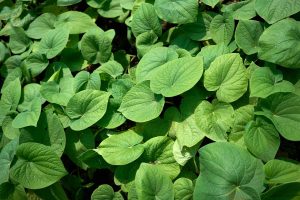
Kava (Piper methysticum), also known as “awa” or “yagona,” is a tropical plant native to the Pacific Islands. For centuries, it has been used by indigenous cultures for ceremonial, social, and medicinal purposes. Polynesians, Fijians, and Hawaiians traditionally prepared kava as a drink to foster relaxation, promote social bonding, and celebrate important events.
The term “kava” comes from the Polynesian word for “bitter.” In these cultures, kava was often consumed in communal rituals aimed at connecting people and the divine. Today, it is widely used in modern herbalism as a natural remedy for stress and anxiety.
Medicinal and Health Benefits of Kava Tea #
Stress and Anxiety Relief:
Kava tea is best known for its calming effects, reducing stress and promoting relaxation by acting on GABA receptors in the brain. A systematic review in Cochrane Database of Systematic Reviews (2013) found that kava is effective in treating generalized anxiety disorder (GAD) without serious side effects.
Improves Sleep Quality:
It helps combat insomnia by encouraging a more restful sleep without causing drowsiness the next day. Studies in Sleep Medicine Reviews highlighted kava’s ability to enhance sleep quality, particularly for individuals experiencing stress-induced insomnia.
Muscle Relaxation:
Kava tea is a natural muscle relaxant, easing tension and relieving minor aches.
Mood Enhancement:
The tea is believed to elevate mood and reduce symptoms of depression. Research in Journal of Clinical Psychopharmacology demonstrated that kava significantly improved mood and reduced symptoms of depression in a controlled trial.
Cognitive Support:
Kava can help improve focus and mental clarity by alleviating stress-related distractions.
Social and Psychological Benefits:
Kava promotes sociability and may reduce social anxiety, making it popular in community gatherings.
Uses of Kava Tea #
Stress Relief:
Kava tea is popular as a natural remedy for managing daily stress and anxiety.
Sleep Aid:
It helps individuals with trouble sleeping by promoting relaxation before bedtime.
Social Gatherings:
Consumed during events or gatherings to enhance sociability and reduce social anxiety.
Muscle Tension Relief:
It is used by individuals with minor muscle pain or tension for its relaxing effects.
How to Make Kava Tea #
Ingredients:
- 2-3 tablespoons of kava root powder
- 1 cup warm water (not boiling; around 120°F or 50°C)
- Optional: Coconut milk, almond milk, or honey for added flavour
Instructions:
- Add the kava root powder to a muslin bag or fine strainer.
- Place the bag in a bowl with the warm water.
- Knead the bag for 5-10 minutes, allowing the active compounds to infuse into the water.
- Strain and pour the kava tea into a cup.
- Add coconut milk, almond milk, or honey for enhanced flavour if desired.
- Sip slowly and enjoy the calming effects.
Kava tea is a powerful natural remedy with a rich history and scientifically-backed health benefits, particularly for stress relief and relaxation. However, it is essential to consume it responsibly, considering its potential side effects and interactions. A 2016 study published in Phytotherapy Research reviewed the safety profile of kava, noting that its benefits outweighed potential risks when consumed in moderation.
Always consult with a healthcare professional before incorporating kava tea into your routine, especially if you are on medications or have liver conditions.


