


]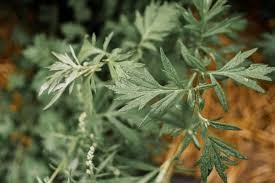
Mugwort, a perennial herb native to Europe, Asia, and North America, has a long and storied history. It has been associated with ancient folklore, spiritual practices, and traditional medicine. The name “mugwort” is believed to be derived from its historical use in flavouring mugs of beer before the widespread adoption of hops.
In ancient Europe, Mugwort was considered a protective herb, often carried as an amulet to ward off evil spirits. It was also used by Roman soldiers to relieve fatigue by placing it in their sandals. In traditional Chinese medicine (TCM). Mugwort has been used for centuries in moxibustion, a practice where dried Mugwort is burned near the skin to stimulate acupuncture points.
Medicinal and Health Benefits of Mugwort Tea #
Digestive Aid:
Stimulates appetite, alleviates indigestion, and promotes healthy digestion by increasing bile production.
Menstrual Support:
Known for regulating menstruation, reducing menstrual cramps, and easing symptoms of menopause. Traditional uses for menstrual regulation have been supported by studies showing Mugwort’s ability to influence uterine contractions and blood flow.
Sleep Aid and Dream Enhancement:
Traditionally used to promote restful sleep and enhance vivid dreams, often referred to as a “dream herb.” A study in Frontiers in Pharmacology highlighted mugwort’s potential to modulate the central nervous system, supporting its use as a mild sedative and dream enhancer.
Calming Properties:
Helps reduce stress and anxiety due to its mild sedative effects.
Anti-inflammatory Benefits:
Can reduce inflammation in the body, aiding in conditions like arthritis. A study published in Phytotherapy Research found that Mugwort contains anti-inflammatory compounds like artemisinin, which may help reduce inflammation and pain.
Antimicrobial and Antifungal Effects:
Contains compounds that combat bacterial and fungal infections. Research has demonstrated that Mugwort exhibits antibacterial and antifungal activities, particularly effective against pathogens like E. coli and Candida albicans. Mugwort is rich in antioxidants that help protect the body from oxidative stress and free radical damage.
Liver Health:
Acts as a mild detoxifier, supporting liver function.
Uses of Mugwort Tea #
Digestive Health:
Consumed after meals to relieve bloating, gas, and indigestion.
Menstrual Regulation:
Used by women to promote regular cycles and alleviate menstrual discomfort.
Dream Enhancement:
Drunk before bedtime to encourage lucid dreaming and restful sleep.
Detoxification:
Helps cleanse the liver and kidneys.
Spiritual Practices:
Used in rituals to enhance psychic abilities and spiritual awareness.
How to Make Mugwort Tea #
Ingredients:
- 1 teaspoon of dried mugwort leaves (or 1-2 fresh leaves)
- 1 cup of hot water
- Optional: Honey or lemon for flavour
Instructions:
- Boil water and let it cool slightly to about 190°F (88°C).
- Place the dried mugwort leaves in a tea infuser or directly in a teacup.
- Pour the hot water over the leaves and cover the cup.
- Let the tea steep for 5-10 minutes, depending on the desired strength.
- Strain the tea or remove the infuser.
- Sweeten with honey or add lemon for taste if preferred.
- Drink warm, especially in the evening to enjoy its relaxing effects.
Mugwort tea is a fascinating herbal infusion with historical, medicinal, and spiritual significance. While its benefits are many, it is essential to consume it responsibly.


