


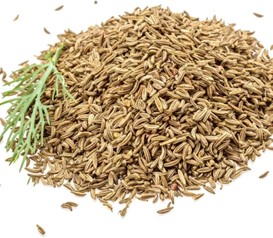
History of Cumin #
Cumin (Cuminum cyminum) is one of the oldest cultivated spices, with a rich history spanning thousands of years. Native to the eastern Mediterranean, Egypt, and parts of Asia, cumin has been used in culinary, medicinal, and ceremonial contexts across many ancient civilizations, including the Egyptians, Greeks, and Romans. It was mentioned in the Bible and valued as both a seasoning and a medicine. Cumin seeds were also used in ancient Indian Ayurveda for digestive health.
Today, cumin is a staple in cuisines worldwide, especially in Middle Eastern, Indian, Mexican, and Mediterranean dishes. Its essential oil and extract are widely used in herbal remedies and aromatherapy.
Medicinal Benefits of Cumin #
Cumin seeds contain antioxidants, essential oils, vitamins (like vitamin E), and minerals (such as iron, magnesium, and manganese) that contribute to their health benefits.
Improves Digestion:
Stimulates the secretion of digestive enzymes, aiding in the breakdown and absorption of food.
Helps reduce bloating, gas, and indigestion.
Boosts Immunity:
Rich in antioxidants and vitamin C, cumin helps strengthen the immune system.
Supports Blood Sugar Control:
May help improve insulin sensitivity and lower blood glucose levels.
Aids in Weight Management:
Cumin has been linked to improved metabolism and reduced fat accumulation.
Reduces Inflammation:
Contains anti-inflammatory compounds that may help alleviate conditions like arthritis.
Enhances Respiratory Health:
Helps clear mucus build up and soothe the respiratory tract.
Rich in Iron:
Supports healthy red blood cell production, preventing anaemia.
Scientific Evidence Supporting Cumin #
Digestive Health:
A study published in Complementary Therapies in Clinical Practice found that cumin extract helped relieve symptoms of irritable bowel syndrome (IBS) and improved digestion.
Blood Sugar Control:
Research in Diabetes & Metabolic Syndrome suggested that cumin seed extract improved blood sugar levels in individuals with diabetes.
Weight Loss:
A study in the Annals of Nutrition & Metabolism reported that consuming cumin powder led to significant reductions in body weight and waist circumference compared to a control group.
Anti-Inflammatory Effects:
Research published in Phytotherapy Research highlighted cumin’s potential to reduce inflammation markers in chronic conditions.
Uses of Cumin #
- Culinary Ingredient: Widely used in spice blends, curries, soups, and stews.
- Digestive Aid: Consumed after meals in traditional cultures to aid digestion.
- Essential Oil: Used in aromatherapy for respiratory health and relaxation.
- Herbal Tea: Brewed to relieve digestive discomfort, boost immunity, and support weight loss.
How to Make Cumin Tea #
Ingredients:
- 1 teaspoon whole cumin seeds
- 2 cups water
- Optional: honey or lemon for flavour
Instructions:
- Heat the water in a pot until it reaches a boil.
- Add the cumin seeds and reduce the heat to a simmer.
- Let the mixture simmer for 5 to 10 minutes.
- Strain the tea into a cup.
- Add honey or lemon for additional flavour if desired.
- Enjoy hot.
Side effects of Cumin #
While cumin offers numerous health benefits, excessive consumption may lead to side effects, including:
Heartburn: The strong flavour and active compounds may trigger heartburn in sensitive individuals.
Low Blood Sugar: Excessive consumption may cause dangerously low blood sugar levels, especially in individuals on diabetes medications.
Allergic Reactions: Rare but possible skin or respiratory allergies.
Pregnancy Precautions: In high doses, cumin may act as a uterine stimulant and should be consumed cautiously during pregnancy.


