


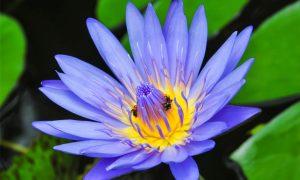
The blue lotus (Nymphaea caerulea), also known as the Egyptian lotus or blue water lily, is a sacred plant with origins in ancient Egypt, India, and other parts of Asia. Revered for its spiritual and therapeutic qualities, the blue lotus was prominently featured in Egyptian art, hieroglyphs, and mythology. It was associated with rebirth, the sun god Ra, and spiritual awakening.
Ancient Egyptians used the blue lotus in religious ceremonies, as an aphrodisiac, and for its psychoactive properties. It was believed to induce a state of relaxation and heightened consciousness, often being steeped into wine or consumed as a tea. In Ayurvedic practices, it has been used for centuries for its calming and mood-enhancing effects.
Medicinal and Health Benefits of Blue Lotus Plant #
Promotes Relaxation:
Blue lotus has mild sedative properties, helping to reduce stress, anxiety, and insomnia.
Mood Enhancement:
Contains compounds like nuciferine and aporphine, which are believed to elevate mood and reduce symptoms of depression. These compounds act on dopamine and serotonin receptors, potentially influencing mood and relaxation.
Spiritual Benefits:
Traditionally used to deepen meditation and enhance spiritual practices due to its psychoactive effects. Ethnobotanical studies reinforce its historical role in enhancing relaxation and spiritual practices in ancient cultures.
Pain Relief:
Historically, blue lotus has been used for its analgesic properties to alleviate mild pain and headaches.
Improves Sleep Quality:
The sedative effects help induce deeper, more restful sleep. Studies on traditional uses confirm its mild sedative and muscle-relaxing effects, supporting its role in alleviating stress and promoting sleep.
Aphrodisiac Properties:
In ancient cultures, blue lotus was valued as an aphrodisiac, enhancing intimacy and libido.
Antioxidant Properties:
Blue lotus is rich in antioxidants, which help combat oxidative stress and support overall health. Research published in Pharmacognosy Reviews highlights the plant’s significant antioxidant content, which protects cells from oxidative damage.
Supports Skin Health:
The plant’s extracts are known to hydrate and rejuvenate the skin, making it a popular ingredient in skincare products.
Health Disadvantages of Blue Lotus #
Psychoactive Effects:
May cause mild hallucinations, dizziness, or altered states of perception in sensitive individuals.
Allergic Reactions:
Rare, but some individuals may experience skin irritation or other allergic responses.
Interaction with Medications:
Blue lotus may interact with sedatives, antidepressants, or other medications affecting the central nervous system.
Pregnancy and Breastfeeding:
Insufficient research on its safety during pregnancy or breastfeeding warrants caution.
Overconsumption Risks:
Excessive use may lead to nausea, disorientation, or dependency in rare cases.
Legal Status:
Blue lotus is legal in many places, but some regions regulate its use due to its psychoactive properties.
How to Make Blue Lotus Tea #
Ingredients:
- 2-3 dried blue lotus flowers (or 1 tablespoon of petals)
- 1 cup of hot water (around 190°F or 88°C)
- Optional: Honey or lemon for added flavour
Instructions:
- Rinse the dried blue lotus flowers to remove any impurities.
- Heat water until it is just below boiling.
- Place the flowers or petals in a teapot or cup.
- Pour the hot water over the flowers, ensuring they are fully submerged.
- Cover and steep for 5-10 minutes, depending on the desired strength.
- Strain the tea into a cup using a fine mesh strainer.
- Sweeten with honey or add a slice of lemon for flavour, if desired.
- Sip slowly to enjoy its calming effects.
Blue lotus tea is a unique herbal infusion with a rich cultural history and numerous health benefits. While it is generally considered safe, it should be consumed responsibly, and those with specific health conditions or on medications should consult a healthcare provider before use.


