


 #
#
History of Goldenseal #
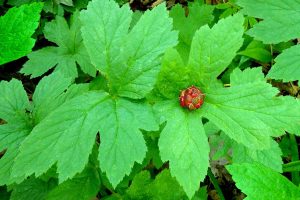
Goldenseal (Hydrastis canadensis), also known as “yellow root,” is a perennial herb native to North America. Indigenous peoples, including the Cherokee and Iroquois, used goldenseal extensively for its medicinal properties. It was employed as a remedy for skin disorders, digestive issues, respiratory infections, and as a dye due to its vibrant yellow roots.
In the 19th century, European settlers adopted goldenseal for similar purposes, and it became a staple in traditional herbal medicine. Often referred to as a “natural antibiotic,” goldenseal gained widespread popularity for its purported immune-boosting and antimicrobial effects. Due to overharvesting, wild goldenseal populations have diminished, making cultivated goldenseal more common in modern use.
Medicinal Benefits of Goldenseal #
Goldenseal contains several bioactive compounds, including berberine, hydrastine, and canadine, which contribute to its medicinal properties:
Immune System Support:
Goldenseal is often used as an immune booster, particularly for fighting colds, flu, and other respiratory infections.
Digestive Health:
The herb is believed to aid digestion by stimulating bile production and alleviating issues such as bloating, gas, and diarrhoea.
Antimicrobial and Antifungal Properties:
Berberine has strong antibacterial, antiviral, and antifungal properties, making goldenseal useful for combating infections.
Skin Conditions:
Topically, goldenseal has been used to treat skin irritations, wounds, and rashes due to its anti-inflammatory and antimicrobial effects.
Oral Health:
Goldenseal is often included in natural mouthwashes and toothpastes for its ability to reduce oral bacteria and soothe gum inflammation.
Scientific Evidence Supporting Goldenseal #
Antimicrobial Effects:
Studies published in Journal of Antimicrobial Chemotherapy have shown that berberine, one of the primary active compounds in goldenseal, can inhibit the growth of bacteria, fungi, and protozoa.
Digestive Support:
Research has demonstrated berberine’s ability to support gastrointestinal health by inhibiting harmful gut bacteria while promoting a healthy gut microbiome.
Immune System Modulation:
Evidence suggests goldenseal may stimulate the immune system, although more research is needed to fully understand its mechanisms.
How to Make Goldenseal Tea #
Goldenseal tea is bitter but highly valued for its medicinal properties.
Ingredients:
- 1 teaspoon dried goldenseal root or ½ teaspoon goldenseal powder
- 1 cup (8 oz) boiling water
- Optional: honey or lemon to offset the bitter taste
Instructions:
- Place the goldenseal root or powder in a teapot or mug.
- Pour boiling water over the herb.
- Cover and steep for 5 to 10 minutes.
- Strain and discard the herb if necessary.
- Add honey or lemon if desired to improve taste.
- Drink no more than 1 to 2 cups daily, as goldenseal is potent and best used sparingly.
Additional Uses of Goldenseal #
- Topical Applications: Infusions or ointments made from goldenseal can be used to treat minor cuts, wounds, and skin irritations.
- Mouth Rinse: Goldenseal tea can be cooled and used as a natural antibacterial mouthwash.
- Capsules or Tinctures: These forms are often preferred for more precise dosing and standardized potency.
Goldenseal remains a cherished herb in herbal medicine due to its broad therapeutic applications and potent antimicrobial properties. Responsible use ensures that its healing potential is harnessed safely and effectively.
Caution: Goldenseal is not recommended for long-term use or during pregnancy, as high doses may cause uterine contractions. It may also interact with medications, including blood pressure drugs and anticoagulants. Always consult a healthcare provider before use.


