


History of Rhodiola Rosea #
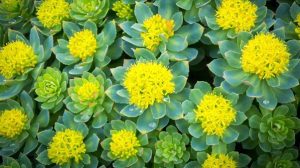
Rhodiola rosea, also known as Arctic root, golden root, or roseroot, is a hardy perennial herb native to the cold, mountainous regions of Europe, Asia, and North America. It has a long history of use in traditional medicine by Siberian and Scandinavian cultures, who used it to combat fatigue, boost physical endurance, and enhance mental resilience. In ancient Greece, the physician Dioscorides wrote about its health benefits in his herbal manual, De Materia Medica. Russian scientists extensively studied Rhodiola in the mid-20th century as an adaptogen, a natural substance believed to help the body resist physical, chemical, and biological stress.
Medicinal and Health Benefits of Rhodiola Rosea Tea #
Stress and Anxiety Reduction:
Rhodiola is widely regarded as an adaptogen that helps the body cope with stress, reduce anxiety, and balance mood. Clinical trials have shown that Rhodiola has mild antidepressant effects comparable to traditional pharmaceutical treatments, with fewer side effects.
Improved Cognitive Function:
It is known to enhance focus, memory, and mental clarity while combating brain fog. A 2012 study published in Phytomedicine found that Rhodiola extract improved symptoms of burnout and stress in participants.
Fatigue Management:
Rhodiola helps reduce symptoms of physical and mental fatigue, making it popular among athletes and individuals facing high-stress environments.
Mood Enhancement:
The herb is used as a natural remedy for mild depression due to its potential serotonin-regulating properties. Clinical trials have shown that Rhodiola has mild antidepressant effects comparable to traditional pharmaceutical treatments, with fewer side effects.
Immune System Support:
Rhodiola’s antioxidant properties help support a healthy immune system by neutralizing free radicals.
Physical Performance:
It may improve endurance, reduce recovery time, and increase energy levels.
How to Make Rhodiola Rosea Tea #
Ingredients:
- 1 teaspoon dried Rhodiola root (or 1 tea bag)
- 2 cups water
- Optional: Honey or lemon for flavour
Instructions:
- Bring the water to a gentle boil in a saucepan.
- Add the dried Rhodiola root and reduce the heat to a simmer.
- Allow the root to steep for 10-15 minutes.
- Remove from heat and strain the tea into a cup.
- Sweeten with honey or add lemon, if desired.
- Sip and enjoy!
Tip: Start with a lower concentration if you’re new to Rhodiola to assess your tolerance.
Uses of Rhodiola Rosea Tea #
Stress Relief:
Used as a calming tea to support mental balance during periods of high stress.
Energy Boost:
Consumed in the morning or early afternoon for an energizing and refreshing effect.
Cognitive Support:
Ideal for improving focus and clarity during work or study sessions.
Exercise Recovery:
Used by athletes to reduce post-exercise fatigue and promote faster recovery.
Health Disadvantages of Rhodiola Rosea #
Possible Insomnia:
Due to its stimulating effects, consuming Rhodiola tea late in the day may disrupt sleep.
Interaction with Medications:
Rhodiola may interfere with antidepressants, blood pressure medications, and diabetes treatments.
Mild Side Effects:
Some individuals report headaches, dizziness, dry mouth, or jitteriness when first consuming Rhodiola.
Pregnancy and Breastfeeding:
There is limited research on its safety during pregnancy or breastfeeding, so it is not recommended without medical advice.
Overstimulation:
High doses may cause overstimulation, leading to restlessness or irritability.
Rhodiola rosea tea offers a natural way to support mental clarity, resilience to stress, and overall well-being. With proper moderation and mindful consumption, it can be a powerful ally in promoting mental and physical health. Always consult a healthcare professional before integrating new herbal teas into your routine, especially if you are on medication.


