


 #
#
History of Eucalyptus Leaf #
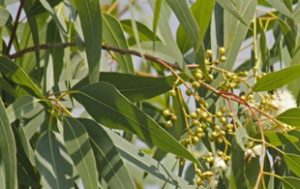
Eucalyptus (Eucalyptus globulus), native to Australia, has been used by Indigenous Australian communities for centuries as a natural remedy for fevers, infections, and respiratory ailments. Early settlers in Australia adopted its use, leading to the export of eucalyptus oil to Europe in the 19th century. Often called “fever trees,” eucalyptus trees were also planted in malaria-prone areas due to their ability to reduce mosquito populations by drying up marshy lands.
Today, eucalyptus is cultivated worldwide, and its leaves and essential oils are commonly used in herbal medicine, aromatherapy, and wellness products.
Medicinal Benefits of Eucalyptus Leaf #
Eucalyptus leaves contain numerous bioactive compounds, including eucalyptol (cineole), tannins, and flavonoids, which contribute to their health benefits:
Respiratory Health:
Eucalyptus helps relieve symptoms of colds, flu, bronchitis, and sinus congestion by reducing mucus and clearing airways.
Its anti-inflammatory properties soothe irritated respiratory passages.
Antimicrobial and Antiseptic Properties:
The compounds in eucalyptus have antibacterial, antiviral, and antifungal effects, making it useful for fighting infections and supporting immune health.
Pain Relief and Muscle Relaxation:
Eucalyptus oil, derived from the leaves, is often applied topically to relieve muscle pain and joint discomfort due to its anti-inflammatory properties.
Oral Health:
Eucalyptus is an ingredient in many mouthwashes and toothpastes due to its ability to reduce plaque build-up and combat oral bacteria.
Mental Clarity and Stress Relief:
The invigorating scent of eucalyptus can help reduce mental fatigue and improve concentration.
Scientific Evidence Supporting Eucalyptus Leaf #
Respiratory Benefits:
Studies published in Respiratory Medicine demonstrate that eucalyptol improves breathing and reduces symptoms in patients with asthma and chronic obstructive pulmonary disease (COPD).
Antibacterial Effects:
Research in BMC Microbiology shows that eucalyptus leaf extract inhibits the growth of bacteria such as Staphylococcus aureus and E. coli.
Anti-Inflammatory Properties:
Eucalyptus leaf tea has been shown to reduce inflammation markers, supporting its use for respiratory and joint health.
Pain Relief:
Clinical studies have highlighted the effectiveness of eucalyptus oil in reducing pain and inflammation when applied topically.
How to Make Eucalyptus Leaf Tea #
Eucalyptus tea offers a refreshing way to harness the herb’s respiratory and immune-supporting properties.
Ingredients:
- 1 teaspoon dried eucalyptus leaves (or 2 fresh leaves)
- 1 cup (8 oz) boiling water
- Optional: honey or lemon for flavour
Instructions:
- Place the eucalyptus leaves in a teapot or mug.
- Pour boiling water over the leaves.
- Cover and steep for 5 to 10 minutes.
- Strain and discard the leaves.
- Add honey or lemon if desired for enhanced flavour and additional soothing benefits.
- Sip slowly to enjoy its aromatic, therapeutic effects.
Eucalyptus leaf tea is a natural remedy for respiratory issues and provides a soothing herbal experience. Its versatility in both wellness and home care continues to make it a valuable herb for holistic health practices.
Note: While eucalyptus is beneficial, it must be used cautiously. The essential oil should never be ingested, and high doses of eucalyptus leaf may cause adverse effects. Consult a healthcare professional before use, especially for children, pregnant women, or individuals with chronic conditions.


