


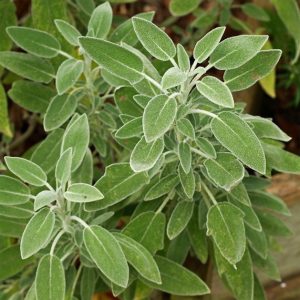
History of Sage #
Sage (Salvia officinalis), native to the Mediterranean region, has been cherished for its culinary, medicinal, and spiritual uses for thousands of years. The herb’s name is derived from the Latin word “salvere,” meaning “to heal” or “to save.” Ancient Egyptians used sage for fertility, while the Romans believed it had healing properties and incorporated it into religious rituals. During the Middle Ages, sage was revered in Europe as a key ingredient in medicinal remedies and even considered a plant of immortality. Today, it remains a staple in both traditional medicine and modern herbal therapy.
Medicinal and Health Benefits of Sage #
Cognitive Support:
Sage has long been associated with improved memory and concentration.
Anti-Inflammatory and Antioxidant Properties:
Its high content of flavonoids and phenolic acids helps reduce inflammation and protect cells from oxidative damage.
Digestive Health:
Sage aids in digestion and can relieve bloating, gas, and stomach cramps.
Respiratory Health:
The herb’s antimicrobial properties make it effective for soothing sore throats and easing respiratory congestion.
Menopause Symptom Relief:
Sage is known to reduce hot flashes and night sweats in menopausal women.
Oral Health:
Due to its antibacterial properties, sage can help combat gum disease and freshen breath.
Scientific Evidence #
Cognitive Function: A study published in Pharmacology, Biochemistry, and Behaviour demonstrated that sage extract improved memory and cognitive performance in healthy adults.
Menopause Relief: Research in Advances in Therapy found that sage effectively reduced the severity and frequency of hot flashes in menopausal women.
Antibacterial Properties: Laboratory studies have confirmed that sage essential oils have antimicrobial activity against bacteria such as Staphylococcus aureus.
Though early findings are promising, further research is required to solidify the herb’s therapeutic potential.
Uses of Sage #
Culinary Herb:
Sage is widely used in cooking, particularly in Mediterranean dishes, to flavour meats, soups, and sauces.
Essential Oils:
Sage oil is used in aromatherapy and skincare products.
Herbal Remedies:
Infusions and extracts are employed to relieve respiratory ailments, digestive discomfort, and menopausal symptoms.
Tea:
Sage tea is a popular way to enjoy the herb’s health benefits in a soothing beverage.
How to Make Sage Tea #
Ingredients:
- 1 tablespoon fresh sage leaves or 1 teaspoon dried sage
- 1 cup boiling water
- Optional: Honey, lemon, or mint for flavour
Instructions:
- Rinse the fresh sage leaves if using them.
- Place the sage leaves or dried sage in a teacup.
- Pour boiling water over the leaves and cover the cup.
- Let the tea steep for 5-10 minutes, depending on desired strength.
- Strain the tea to remove the leaves.
- Add honey or lemon to enhance the flavour if desired.
- Serve hot and enjoy.
Note: Drink sage tea in moderation, and avoid prolonged excessive consumption due to its thujone content.
Sage has a rich history as a medicinal herb and continues to be valued for its wide array of health benefits. When consumed responsibly, sage tea is a delightful and beneficial addition to any wellness routine.
Health Disadvantages of Sage #
Thujone Content:
Sage contains thujone, which can be toxic in large doses. Consuming excessive amounts over long periods may cause seizures or liver damage.
Pregnancy and Breastfeeding:
High doses of sage are not recommended as thujone may stimulate uterine contractions and affect milk production.
Allergic Reactions:
Some people may experience allergic skin reactions when using sage products topically.
Blood Sugar Levels:
Sage may lower blood sugar, so caution is advised for individuals taking diabetes medication.


