


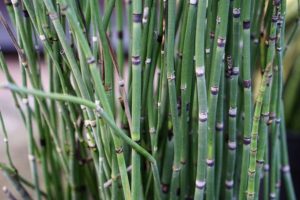
Horsetail, also known as Equisetum arvense, is one of the oldest plants on Earth, dating back to prehistoric times when giant relatives of this plant dominated landscapes. This ancient herb was widely used in traditional medicine across cultures, from ancient Greece and Rome to Native American remedies. It was historically employed to heal wounds, strengthen bones, and treat urinary and kidney problems. Its Latin name Equisetum reflects its brush-like appearance, resembling a horse’s tail.
Medicinal and Health Benefits of Horsetail Herb #
Bone and Joint Health
Rich in silica, an essential mineral for collagen synthesis, horsetail may support bone strength and joint health. A 2012 study published in Therapeutic Advances in Musculoskeletal Disease suggested that horsetail’s silica content contributes to improved bone density and collagen synthesis.
It has been traditionally used to aid in the recovery of fractures and osteoporosis.
Diuretic Properties
Horsetail is a natural diuretic, promoting increased urine output. This helps flush out excess fluids, toxins, and waste from the body, supporting kidney and bladder health. Research published in Evidence-Based Complementary and Alternative Medicine in 2014 demonstrated horsetail’s effectiveness as a natural diuretic, comparable to pharmaceutical alternatives without adverse side effects.
Skin, Hair, and Nail Health
The silica in horsetail promotes healthy skin, strengthens brittle nails, and enhances hair growth. It is often included in cosmetic products and supplements for this purpose. A 2016 study in The Journal of Clinical and Aesthetic Dermatology highlighted the benefits of silica-rich horsetail extract in improving hair growth and nail strength.
Wound Healing
Known for its astringent properties, horsetail helps in wound healing by reducing inflammation and promoting tissue repair.
Antioxidant and Anti-inflammatory Effects
Horsetail contains antioxidants like flavonoids and phenolic compounds that combat oxidative stress and inflammation. Research indicates that the herb’s flavonoids and phenolic compounds have notable antioxidant activity, as discussed in a 2020 review in Antioxidants.
Digestive Health
Used to treat gastrointestinal issues, horsetail has mild laxative properties and can soothe digestive discomfort.
Uses of Horsetail Herb #
Kidney and Urinary Health
Used to support kidney and bladder function, particularly for urinary tract infections (UTIs) or edema.
Wound Care
Applied topically in poultices to accelerate wound healing and reduce inflammation.
Bone Strengthening
Consumed as a tea or supplement to improve bone density and prevent osteoporosis.
Hair and Nail Care
Frequently included in shampoos, conditioners, and dietary supplements for beauty care.
Digestive Support
Consumed to ease bloating and support digestion.
How to Make Horsetail Tea #
Ingredients:
- 1-2 teaspoons of dried horsetail herb
- 1 cup of boiling water
- Optional: honey or lemon for flavour
Instructions:
- Place dried horsetail herb in a teapot or cup.
- Pour boiling water over the herb.
- Cover and steep for 10-15 minutes to extract its medicinal compounds.
- Strain the tea to remove the herb.
- Add honey or lemon if desired and enjoy warm.
Dosage:
Drink 1-2 cups per day. Limit use to no more than six weeks at a time to avoid potential side effects. Horsetail tea is a powerful natural remedy with numerous benefits but should be used thoughtfully and with proper guidance.
Precautions and Recommendations #
Always consult a healthcare provider before using horsetail, especially if you have existing health conditions or are taking medications.
Avoid consuming horsetail harvested from polluted areas, as it may absorb heavy metals from the soil.
Use in moderation to prevent adverse effects like thiamine deficiency or kidney strain.


