


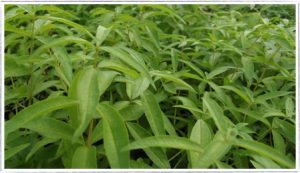
Lemon verbena (Aloysia citrodora), native to South America, particularly Chile, Argentina, and Peru, has been cherished for centuries for its citrusy aroma and medicinal properties. Introduced to Europe by Spanish explorers in the 17th century, it quickly gained popularity as a flavouring agent and herbal remedy. During the Victorian era, lemon verbena was cultivated in European gardens for its fragrant leaves, used in potpourri, perfumes, and herbal teas.
The plant became a staple in traditional medicine systems for its calming and digestive benefits and has continued to be valued in modern herbalism for similar purposes.
Medicinal and Health Benefits of Lemon Verbena #
Digestive Support:
Lemon verbena tea aids digestion, reducing bloating, indigestion, and cramping. Research in Phytomedicine (2016) found that lemon verbena helps improve gut motility, aiding digestion and reducing gastrointestinal discomfort.
Calming and Relaxation:
Known for its mild sedative properties, lemon verbena tea helps reduce stress, anxiety, and insomnia.
Anti-Inflammatory Properties:
The plant contains polyphenols that reduce inflammation, benefiting conditions like arthritis and muscle pain. A study published in Food and Chemical Toxicology (2010) highlighted the anti-inflammatory and antioxidant effects of lemon verbena extract, making it beneficial for conditions like arthritis.
Rich in Antioxidants:
Lemon verbena is packed with antioxidants that protect against oxidative stress and cellular damage. A 2011 study in the Journal of Agricultural and Food Chemistry demonstrated that lemon verbena leaves contain phenolic compounds that fight oxidative stress.
Immune Support:
Its antimicrobial properties and vitamin C content bolster the immune system.
Weight Management:
Studies suggest that lemon verbena may reduce fat accumulation and support weight loss when combined with a healthy diet. Research in Clinical Nutrition (2018) showed that a combination of lemon verbena and hibiscus extracts helped reduce fat accumulation and support healthy weight management.
Improves Joint Health:
Anti-inflammatory effects may help reduce pain and stiffness in joints. A 2014 study in The European Journal of Applied Physiology indicated that lemon verbena reduces muscle damage and aids recovery in athletes after intense exercise.
Boosts Mental Clarity:
Lemon verbena tea promotes relaxation without causing drowsiness, making it ideal for enhancing focus and clarity.
Uses of Lemon Verbena #
Herbal Tea:
Brewed for relaxation, digestion, and immune support.
Culinary Flavouring:
Used to flavour desserts, beverages, and marinades due to its citrusy taste.
Aromatherapy and Skincare:
Lemon verbena oil is used in perfumes, soaps, and lotions for its refreshing scent.
Joint and Muscle Health:
Consumed as a supplement or tea to reduce inflammation and promote recovery.
Stress Relief:
Incorporated in stress-relief routines for its calming aroma and relaxing effects.
How to Make Lemon Verbena Tea #
Ingredients:
- 1-2 teaspoons of dried lemon verbena leaves (or a handful of fresh leaves)
- 1 cup of hot water (not boiling; around 190°F or 88°C)
- Optional: Honey, lemon, or mint for added flavour
Instructions:
- Rinse the lemon verbena leaves to remove any impurities.
- Heat water until it is just below boiling.
- Place the leaves in a teapot or cup and pour the hot water over them.
- Cover and let steep for 5-7 minutes for a mild flavour or up to 10 minutes for a stronger brew.
- Strain the tea into a cup using a fine mesh strainer.
- Add honey or lemon for sweetness or extra flavour, if desired.
- Sip and enjoy the refreshing citrus aroma and calming benefits.
Lemon verbena tea is a delightful and versatile herbal infusion with a long history of use for relaxation, digestion, and overall wellness.
Note #
While it offers numerous health benefits, it should be consumed in moderation, and individuals with specific health conditions or allergies should consult a healthcare provider before use. Some individuals may experience allergic reactions, including skin irritation or respiratory issues when using lemon verbena topically or consuming it, excessive consumption may cause stomach discomfort, nausea, or diarrhoea.


