


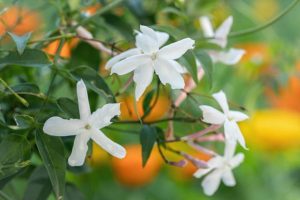
Jasmine tea has a storied history that dates back over a thousand years, originating in ancient China during the Song Dynasty (960–1279 AD). While jasmine plants are believed to have been introduced to China from Persia (modern-day Iran), the Chinese were the first to combine jasmine flowers with tea leaves, creating the fragrant beverage we know today.
Jasmine tea became highly prized for its delicate floral aroma and calming properties. During the Ming Dynasty (1368–1644), it was a favourite among the imperial court and was often gifted to dignitaries as a symbol of luxury and refinement. Today, jasmine tea is enjoyed worldwide for its soothing qualities and cultural significance.
Medicinal Benefits and Scientific Proof #
Rich in Antioxidants
Jasmine tea is typically made by infusing green tea leaves with jasmine blossoms. Green tea contains polyphenols like catechins, which are powerful antioxidants. These compounds help combat free radicals, reducing oxidative stress and potentially lowering the risk of chronic diseases like heart disease and cancer. Studies have shown that catechins in green tea reduce inflammation and improve vascular function.
Improves Mental Well-Being
The calming aroma of jasmine is known to have a relaxing effect on the nervous system, reducing stress and anxiety. Research has found that inhaling jasmine aroma increases levels of GABA (gamma-aminobutyric acid) in the brain, promoting relaxation.
Supports Cardiovascular Health
Jasmine tea may improve heart health by reducing cholesterol levels and improving blood circulation. A study published in the American Journal of Clinical Nutrition linked green tea consumption with a reduction in LDL (bad cholesterol) and improved cardiovascular markers.
Aids in Weight Management
The catechins and caffeine in jasmine tea can boost metabolism and enhance fat oxidation. Research has shown that green tea catechins enhance thermogenesis, which helps the body burn calories more efficiently.
Boosts Immune Function
The tea’s polyphenols, along with antimicrobial properties, may help the body fight infections and strengthen the immune system.
Uses of Jasmine Tea #
Relaxation and Stress Relief
Jasmine tea is a popular choice for unwinding after a long day, thanks to its calming aroma and soothing effects on the mind.
Complement to Meditation
Many people drink jasmine tea during meditation or yoga practices to enhance focus and promote a sense of calm.
Natural Mood Enhancer
The tea’s delightful fragrance and mild flavour make it a natural way to uplift the spirit.
Skin Health
Jasmine tea is sometimes used in skincare due to its antioxidant properties, which help combat aging and promote a healthy complexion.
How to Make Jasmine Tea #
Ingredients: #
- 1 teaspoon of jasmine green tea (loose-leaf or bagged)
- 1 cup of hot water (not boiling, around 175–185°F or 80–85°C)
Instructions: #
- Heat the Water: Heat the water to the appropriate temperature. Avoid boiling water as it can scorch the delicate green tea leaves.
- Add Tea Leaves: Place the jasmine tea leaves or tea bag into a teapot or cup.
- Steep: Pour the hot water over the tea and let it steep for 2–4 minutes, depending on your desired strength.
- Strain and Serve: If using loose leaves, strain the tea into a cup. Savour the delicate floral aroma and taste.
- Optional Additions: Add a touch of honey or a slice of lemon for added flavour.
Jasmine tea’s combination of fragrant elegance, rich history, and scientifically backed health benefits makes it a treasured beverage. Whether enjoyed during a quiet morning or a contemplative evening, jasmine tea offers both sensory delight and wellness. 🍵


