


History of Parsley Tea #
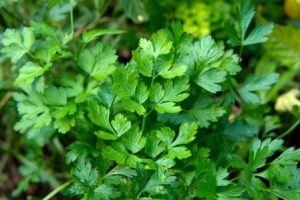
Parsley (Petroselinum crispum), a biennial herb native to the Mediterranean, has been cultivated for over 2,000 years. Its use spans culinary, medicinal, and ceremonial applications:
Ancient Origins: Parsley was revered by the Greeks and Romans for its symbolic and medicinal value. The Greeks used it in funeral rites and as a symbol of victory in athletic games.
Traditional Medicine: In ancient times, parsley was used to treat kidney and bladder ailments, as well as to freshen breath and aid digestion. In medieval Europe, it was a staple in herbal medicine.
Modern Applications: Today, parsley remains a popular herb in culinary dishes and herbal teas, particularly for its detoxifying and diuretic properties.
Medical and Scientific Benefits of Parsley Tea #
Parsley tea is rich in essential nutrients and bioactive compounds, such as flavonoids, vitamin C, vitamin K, and volatile oils. These compounds provide several health benefits:
Kidney and Urinary Tract Health #
Diuretic Properties: Parsley promotes increased urine production, helping the kidneys eliminate waste and excess fluids.
UTI Prevention: By promoting regular urination, parsley tea may help flush bacteria from the urinary tract, reducing the risk of infections.
Antioxidant Effects #
Rich in Flavonoids: Compounds like apigenin and myricetin help neutralize free radicals, protecting cells from oxidative stress.
Supports Detoxification: Parsley tea may enhance the body’s natural detox processes, benefiting liver and kidney health.
Anti-inflammatory Benefits #
Reduces Inflammation: Parsley contains compounds like luteolin that help lower inflammation in the body, potentially benefiting chronic conditions like arthritis and kidney inflammation.
Digestive Support #
Eases Bloating: Parsley tea helps reduce water retention and bloating due to its diuretic effects.
Improves Digestion: It can stimulate the digestive system and alleviate mild stomach discomfort.
Immune System Boost #
Vitamin C Content: Parsley tea is rich in vitamin C, which supports immune health and skin regeneration.
Menstrual Health #
Regulates Cycles: Parsley has been traditionally used to stimulate menstruation and alleviate cramps due to its mild uterotonic properties.
How to Make Parsley Tea #
Ingredients #
- 2 tablespoons of fresh parsley leaves (or 1 tablespoon of dried parsley)
- 2 cups of water
- Optional: Honey or lemon for flavour
Instructions #
- Prepare Parsley: Rinse fresh parsley leaves thoroughly to remove any dirt or contaminants.
- Boil Water: Bring 2 cups of water to a boil.
- Steep: Place the parsley leaves in a teapot or mug. Pour the boiling water over the leaves and let it steep for 10 minutes.
- Strain: Strain the tea into a cup to remove the parsley leaves.
- Flavour and Serve: Add honey, lemon, or ginger if desired, and enjoy!
Tips for Brewing #
- Use organic parsley to ensure the absence of pesticides or chemicals.
- For stronger tea, increase the amount of parsley or steep for an additional 5 minutes.
- Drink 1-2 cups per day for optimal benefits.
#
Precautions #
Pregnancy: Parsley tea may stimulate the uterus; pregnant women should avoid large amounts.
Kidney Stones: Parsley is high in oxalates, which may contribute to kidney stone formation in susceptible individuals.
Medication Interactions: It may interact with diuretics, blood thinners, or medications for high blood pressure. Consult a healthcare provider if on medication.
#
Conclusion #
Parsley tea is a time-tested herbal remedy with numerous health benefits, particularly for kidney health, detoxification, and digestion. Easy to prepare and rich in nutrients, it is a refreshing addition to any wellness routine. As with any herbal remedy, moderation and proper use are key to reaping its benefits safely.


