


History of Corn Silk #
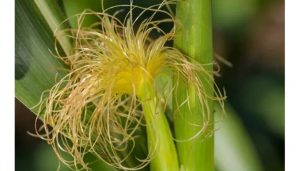
Corn silk refers to the shiny, thread-like fibres that grow from the ears of corn. It has been used for centuries in traditional medicine by various cultures, particularly Native Americans, Chinese, and South Americans. Historically, corn silk was prized for its diuretic, anti-inflammatory, and soothing properties. Ancient healers used it to treat urinary tract infections (UTIs), kidney stones, and other ailments related to the kidneys and bladder.
Medicinal and Health Benefits of Corn Silk #
Corn silk has been associated with numerous health benefits, largely due to its bioactive compounds, including flavonoids, tannins, saponins, alkaloids, and essential oils. Below are some of the key medicinal and health benefits:
Diuretic Properties
Corn silk promotes urine production, which helps reduce water retention, flush toxins, and prevent urinary tract infections.
Supports Kidney Health
By aiding in toxin elimination, corn silk may help prevent kidney stones and support overall kidney function.
Anti-inflammatory Effects
Corn silk contains antioxidants like flavonoids that reduce inflammation, benefiting conditions like arthritis, gout, and other inflammatory disorders. Studies have shown that corn silk’s rich antioxidants, which combat oxidative stress and may reduce the risk of chronic diseases.
Blood Sugar Regulation
Some studies suggest corn silk extracts may help lower blood sugar levels and improve insulin sensitivity, making it potentially beneficial for diabetes management. Animal studies have demonstrated that corn silk extract can lower blood glucose levels.
Cardiovascular Health
Corn silk’s potassium content can help regulate blood pressure and reduce the risk of heart disease.
Digestive Health
Its soothing properties may aid in digestion and alleviate stomach discomfort.
Urinary Tract Support
Corn silk has been traditionally used to soothe irritation in the urinary tract and bladder, easing symptoms of cystitis and other infections. Scientific studies confirm its ability to increase urine output without significant side effects.
Uses of Corn Silk #
Corn silk can be used in various forms, including:
Tea: A popular way to consume corn silk is by making tea, which is easy to prepare and offers a mild, earthy flavour.
Extracts and Supplements: Corn silk is available as capsules or liquid extracts for convenience.
Topical Applications: Some traditional remedies involve using corn silk topically for skin irritations or wounds.
How to Make Corn Silk Tea #
Making corn silk tea is simple and requires minimal ingredients. Follow these steps:
Ingredients
- Fresh or dried corn silk (about 2-3 tablespoons)
- 2 cups of water
- Honey or lemon (optional, for flavour)
Instructions
- Rinse the corn silk thoroughly to remove any dirt or pesticides.
- Boil 2 cups of water in a pot.
- Add the fresh or dried corn silk to the boiling water.
- Reduce the heat to a simmer and let it steep for 10-15 minutes.
- Strain the tea into a cup using a fine mesh strainer or cheesecloth.
- Add honey or lemon to taste if desired.
- Enjoy the tea warm or let it cool for a refreshing drink.
Storage
Corn silk tea can be refrigerated for up to 2 days. Reheat or serve cold as preferred.
Corn silk is a natural remedy with a long history of use and a range of potential health benefits. However, it’s essential to use it responsibly, considering possible interactions and side effects. For serious health concerns, always consult a healthcare professional.


