


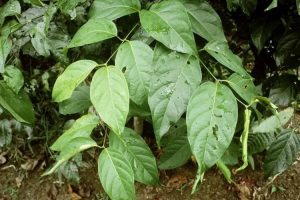
Ayahuasca tea is a traditional psychoactive brew from the Amazon Basin, primarily used by Indigenous peoples for spiritual and healing ceremonies. It is made from two key ingredients: Banisteriopsis caapi (a vine containing harmala alkaloids) and Psychotria viridis (a shrub containing dimethyltryptamine or DMT).
The use of ayahuasca dates back thousands of years, with evidence of its consumption found in ancient ceremonial artifacts. Indigenous shamans, or curanderos, regarded ayahuasca as a sacred medicine capable of connecting the user to the spirit world, offering profound insights, and facilitating emotional and physical healing. Today, ayahuasca is still used in traditional rituals and has gained global attention for its potential therapeutic benefits in treating mental health conditions.
Medicinal and Health Benefits of Ayahuasca Tea #
Emotional Healing:
Many users report relief from trauma, depression, and anxiety after ayahuasca ceremonies due to its ability to bring repressed emotions to the surface for resolution. Studies published in journals like Frontiers in Pharmacology and Nature report that ayahuasca shows promise in alleviating symptoms of depression, PTSD, and anxiety.
Neurogenesis:
Research suggests that compounds in ayahuasca may promote neurogenesis (the formation of new brain cells), potentially improving cognitive flexibility and emotional resilience. Research indicates that DMT activates brain pathways associated with neuroplasticity, enhancing the brain’s capacity to adapt and heal from psychological trauma.
Addiction Recovery:
Ayahuasca has been used to treat substance abuse, particularly with alcohol and opioids, by helping users address the root causes of addiction. A 2013 study in Current Drug Abuse Reviews highlighted the effectiveness of ayahuasca-assisted therapy in addressing addiction.
Spiritual Insight:
Many participants describe profound spiritual or existential experiences, offering clarity and purpose. A 2016 study in Scientific Reports showed that ayahuasca enhances emotional regulation by increasing activity in the medial prefrontal cortex, a brain region associated with self-awareness and emotional control.
Anti-inflammatory Properties:
The harmala alkaloids in Banisteriopsis caapi have anti-inflammatory and antioxidant effects, which may contribute to its physical healing properties.
Uses of Ayahuasca Tea #
Spiritual and Shamanic Ceremonies:
Central to Indigenous healing practices, ayahuasca is used to connect participants with spiritual realms for guidance and transformation.
Mental Health Therapy:
Increasingly utilized in controlled therapeutic settings to treat PTSD, depression, and anxiety.
Personal Growth:
People seeking self-discovery or to overcome personal obstacles often turn to ayahuasca for its introspective qualities.
Addiction Recovery Programs:
Used in retreats and treatment centres to support those recovering from substance abuse.
How to Make Ayahuasca Tea #
Important Note:
Ayahuasca preparation and use should only occur under the supervision of an experienced shaman or in a legal, controlled setting. Improper preparation or usage can lead to serious health risks.
Ingredients:
- 50 grams of Banisteriopsis caapi vine (shredded)
- 50 grams of Psychotria viridis leaves (crushed)
- 2 liters of water
- Optional: Lemon juice to enhance extraction
Instructions:
- Add the shredded Banisteriopsis caapi vine and crushed Psychotria viridis leaves to a large pot.
- Pour in the water and add lemon juice (optional).
- Simmer on low heat for 4-6 hours, stirring occasionally. Do not let the mixture boil.
- Strain the liquid into another container, keeping the plant material.
- Repeat the process with the same plant material 2-3 times to extract all active compounds.
- Combine all strained liquid and reduce it over low heat until it reaches a concentrated volume (about 1-2 cups).
- Cool the tea before consuming.
Warnings and Precautions #
Seek Guidance: Always use ayahuasca under the guidance of a knowledgeable shaman or in a licensed retreat.
Preparation: Proper dietary and mental preparation is essential to minimize risks.
Avoid Self-Administration: The complexity of the tea and its effects necessitate professional supervision. People with certain mental health conditions (e.g., schizophrenia) or heart problems should avoid ayahuasca due to the risk of exacerbation or adverse reactions.
Legal Issues:
Ayahuasca is classified as a controlled substance in many countries due to the presence of DMT, making its use and possession illegal in those regions.
Ayahuasca tea is a powerful brew with significant cultural, spiritual, and therapeutic relevance. While it holds promise for healing and self-discovery, its intense effects and potential risks demand respect and careful consideration.


