


.
History of Ginkgo Biloba #
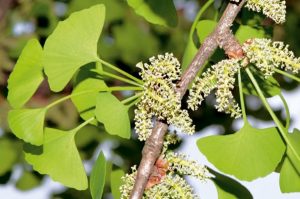
Ginkgo biloba, often called the “living fossil,” is one of the oldest tree species in existence, dating back over 200 million years. Native to China, the ginkgo tree has been cultivated for thousands of years and holds a revered place in traditional Chinese medicine (TCM). The tree’s fan-shaped leaves and seeds were traditionally used to treat respiratory ailments, improve circulation, and enhance cognitive function.
Buddhist monks are believed to have played a key role in spreading the cultivation of ginkgo trees throughout East Asia. In modern times, ginkgo biloba has gained popularity worldwide as a supplement for supporting brain health and memory function.
Medicinal Benefits of Ginkgo Biloba #
Ginkgo biloba contains potent compounds such as flavonoids and terpenoids, which provide antioxidant and anti-inflammatory benefits:
Cognitive Health and Memory Enhancement:
Ginkgo is most well-known for supporting brain function and improving memory, particularly in age-related cognitive decline and conditions like dementia and Alzheimer’s disease, as it enhances blood circulation to the brain, improving oxygen and nutrient delivery.
Circulation and Cardiovascular Health:
The herb improves blood flow by dilating blood vessels and reducing blood viscosity, which can benefit those with poor circulation or peripheral artery disease.
Antioxidant Protection:
Ginkgo contains flavonoids that help combat oxidative stress, which can protect cells from damage.
Mood and Anxiety Support:
Some studies suggest ginkgo can help reduce symptoms of anxiety and depression.
Eye Health:
By improving circulation, ginkgo may benefit conditions such as glaucoma and macular degeneration.
Scientific Evidence Supporting Ginkgo Biloba #
Memory and Cognitive Function:
A meta-analysis published in Psychopharmacology found that ginkgo biloba supplementation can improve memory and cognitive function, particularly in older adults.
Peripheral Artery Disease:
Studies in Circulation Journal suggest that ginkgo extract can improve walking distance for people with intermittent claudication (pain caused by poor circulation).
Anxiety Reduction:
Research in Journal of Psychiatric Research indicated that ginkgo extract reduced symptoms of anxiety in participants.
Eye Health:
A study in Ophthalmology reported improvements in visual function for patients with glaucoma who took ginkgo supplements. Ginkgo biloba tea is a simple way to enjoy the herb’s benefits.
Ingredients:
- 1 teaspoon dried ginkgo biloba leaves
- 1 cup (8 oz) boiling water
- Optional: honey or lemon for flavour
Instructions:
- Place the dried ginkgo leaves in a teapot or mug.
- Pour boiling water over the leaves.
- Cover and steep for 5 to 10 minutes.
- Strain and discard the leaves.
- Add honey or lemon if desired to enhance the flavour.
- Enjoy 1 to 2 cups daily.
Additional Uses of Ginkgo Biloba #
- Capsules and Extracts: Ginkgo is widely available in supplement form for standardised dosing.
- Topical Creams: Ginkgo extract is sometimes included in skin creams for its antioxidant properties.
- Aromatherapy: While less common, ginkgo leaves can be used in sachets or potpourri for their subtle fragrance.
Ginkgo biloba remains a symbol of longevity and resilience, both as a living tree and as a treasured herbal remedy. Its continued use in modern wellness practices underscores its timeless value for supporting health and vitality.
Caution: Ginkgo may interact with blood-thinning medications and can cause side effects such as headaches, dizziness, or gastrointestinal discomfort. It should not be used by individuals with bleeding disorders without consulting a healthcare provider.


