


HONEY BUSH TEA
Welcome to Herbhearts, where we explore the world of herbal teas and their amazing benefits! Today, we’re diving into the delightfully sweet and aromatic world of Honeybush Tea—a hidden gem from South Africa that’s packed with history, flavour, and health benefits.
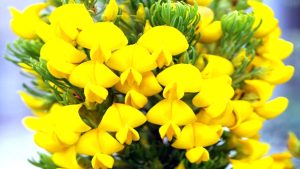
Honeybush (Cyclopia spp.) or heuningbos in Afrikaans, is a genus of some 20 species of flowering plants in the legume family. It is a flowering plant native to the Eastern and Western Cape regions of South Africa. The tea gets its name from the honey-like scent of its bright yellow flowers.The taste of honeybush tea is similar to that of rooibos but a little sweeter. In some rural districts, it used to be common practice to keep a kettle of honeybush tea infusing on the stove ready for drinking while scenting the whole house. Indigenous Khoisan people have been using honeybush for centuries as a medicinal brew, long before it gained international popularity. There are dozens of species of honeybush tea found in the wild, of which about four or five are in widespread home or commercial use.
In the late 1600s, European settlers in South Africa began using honeybush as a caffeine-free alternative to regular tea. Over time, its natural sweetness and health benefits caught the attention of tea lovers worldwide. Today, honeybush is often compared to rooibos tea, but it has a fuller, richer taste with floral and woody notes.💚
Medicinal Benefits of Honeybush Tea
Not only does honeybush tea taste amazing, but it’s also a powerhouse of wellness! Here are some of its most notable health benefits:
🍯 1. Naturally Caffeine-Free & Relaxing
Unlike black or green tea, honeybush tea is completely caffeine-free, making it an excellent choice for a calming evening brew. It helps you unwind without disrupting your sleep cycle.
🦴 2. Supports Bone Health
Honeybush is rich in minerals like calcium, magnesium, and potassium, which are essential for strong bones and teeth. Research suggests that drinking honeybush tea may help reduce the risk of osteoporosis.
❤️ 3. Promotes Heart Health
This herbal tea contains antioxidants like mangiferin and hesperidin, which help to reduce inflammation and lower cholesterol levels. Studies suggest that drinking honeybush regularly may support heart health and circulation.
🌱 4. Packed with Antioxidants
Honeybush tea is loaded with polyphenols, powerful plant compounds that help fight oxidative stress and support a strong immune system. These antioxidants may also contribute to anti-aging effects!
🏃 5. Supports Blood Sugar Balance
Some research suggests that honeybush tea may have anti-diabetic properties by helping to regulate blood sugar levels. This makes it a great addition to a balanced diet for those managing insulin resistance or diabetes.
🌸 6. May Ease Menopausal Symptoms
Honeybush contains phytoestrogens, plant compounds that mimic oestrogen in the body. This means it may help reduce menopausal symptoms like hot flashes and mood swings.
Aside from being a delicious and healthy tea, honeybush has a few other interesting uses!
🍯 Natural Sweetener – Some people use honeybush tea as a natural way to sweeten desserts or baked goods due to its mildly sweet flavour.
🌿 Skin Care – With its anti-inflammatory properties, honeybush extracts are sometimes used in soothing skin care products for eczema, dryness, and irritation.
💆 Aromatherapy – The honey-like aroma of the tea makes it a favourite for relaxing bath soaks and homemade potpourri.
How to Make the Perfect Cup of Honeybush Tea🌿
There are two methods of processing honeybush for use in tea. In the traditional method, the leaves of the bush are harvested, cut and bruised (often with mechanical rollers), and then left in the sun to oxidise. The modern, industrialised process oxidises the leaves in rotating, heated tanks at temperatures of 70–90 °C for two to three days. The leaves are then air-dried.
Afterwards, the leaves are sifted and graded according to the application:
- Super Fine (mostly used for string-and-tag tea bags)
- Regular Fine (mostly used for swimming tea bags or loose tea application)
- Coarse (mostly used for loose tea application)
Brewing honeybush tea is super easy! Here’s how to enjoy its naturally sweet and earthy flavour:
🍵 Ingredients:
- 1 tablespoon of loose-leaf honeybush tea (or 1 tea bag)
- 1 cup of boiling water
- Optional: Honey, lemon, cinnamon, or vanilla for extra flavour
🔥 Instructions:
1️⃣ Boil water to about 200°F (93°C).
2️⃣ Add the honeybush tea to your cup or teapot.
3️⃣ Pour the hot water over the tea and let it steep for 5-7 minutes. The longer you steep, the stronger the flavour!
4️⃣ Strain and enjoy it as-is, or add a touch of honey or cinnamon for extra warmth.
🥶 For Iced Honeybush Tea: Let it cool, add ice cubes, and garnish with lemon slices or fresh mint for a refreshing summer drink!
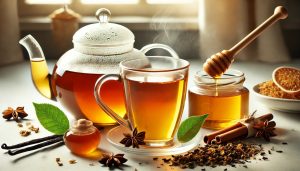
Honeybush tea is more than just a delicious herbal brew—it’s a richly historical, medicinal, and versatile drink with countless benefits. Whether you’re sipping it to relax, support your health, or simply enjoy its natural sweetness, it’s a must-try for any herbal tea lover.🌱💚
Please remember that it’s always a good idea to consult a healthcare professional before adding herbal teas to your routine


