


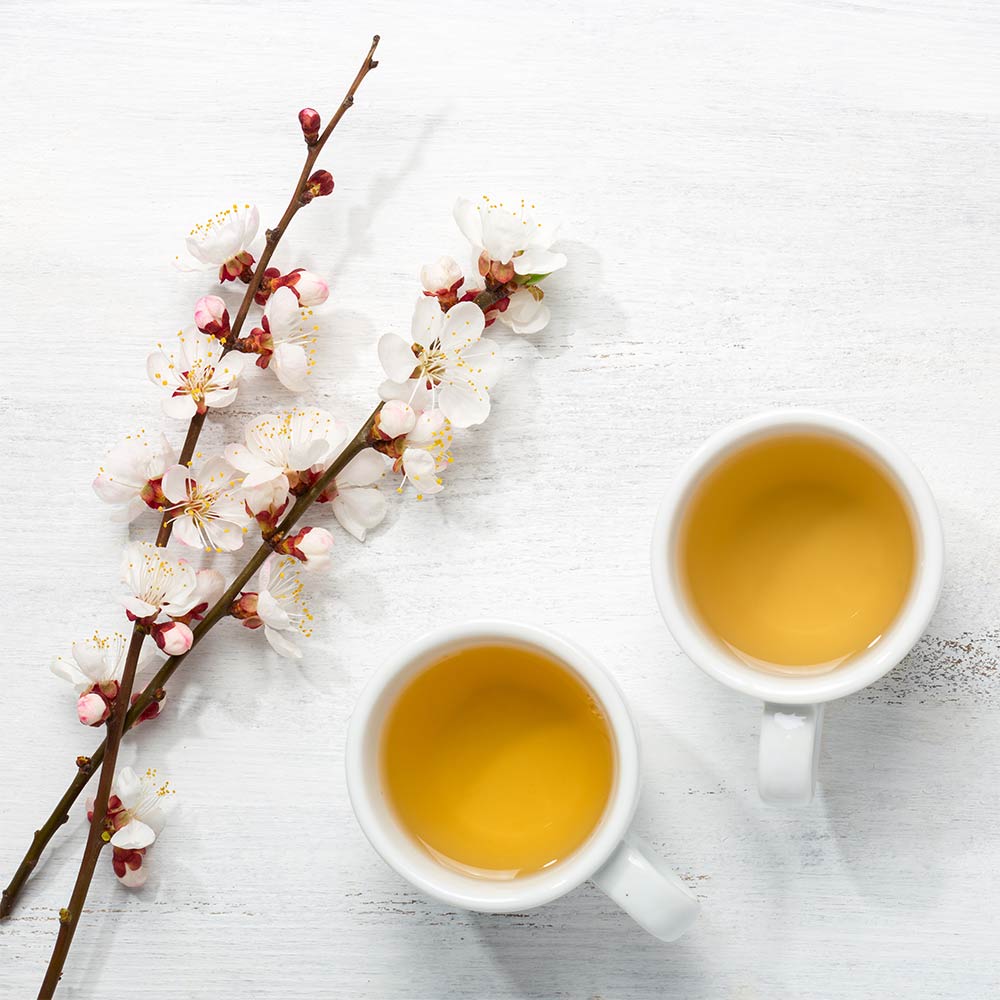

5 MUST TRY SPECIALIST TEAS FROM AROUND THE WORLD
Welcome to Herbhearts, where we explore the incredible world of herbal teas and their impact on health and well-being. Today, we’re taking you on a global journey to discover five unique and specialist teas, each rooted in centuries of tradition, with remarkable medicinal benefits and stories that make every sip a connection to history. From the Japanese tea ceremonies to the South African rooibos farms, let’s dive into the wonders of these herbal treasures.🌿💚
1. Matcha (Japan) – The Zen Elixir😊
History & Ceremonies
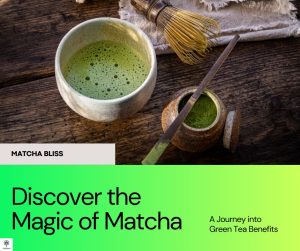
Matcha, a finely ground green tea powder, has been a cornerstone of Japanese culture for over 800 years. Rooted in Zen Buddhism, the Japanese tea ceremony, known as chanoyu, embodies mindfulness, simplicity, and respect. The ritual involves precise movements, from whisking the tea to presenting it in a bowl, creating a meditative experience.
Medicinal Benefits
Matcha is a powerhouse of antioxidants, particularly epigallocatechin gallate (EGCG), which helps combat free radicals, reduce inflammation, and support heart health. Its unique combination of caffeine and L-theanine enhances focus, relaxation, and sustained energy without jitters.
How It’s Made
Matcha comes from shade-grown green tea leaves, which are de-veined, de-stemmed, and stone-ground into a fine powder. To prepare it, whisk 1–2 teaspoons of matcha powder with hot (not boiling) water using a bamboo whisk (chasen). Sip mindfully to enjoy its vibrant, earthy flavour and calming energy.🧘♀️
2. Rooibos (South Africa) – The Red Wonder🏵️
History & Ceremonies
Native to South Africa’s Cederberg region, Rooibos (pronounced ROY-boss) has been enjoyed for centuries by the indigenous Khoisan people for its medicinal properties. Known as “red bush tea,” it gained popularity worldwide in the 20th century for its naturally sweet, nutty flavour and caffeine-free profile.
Medicinal Benefits
Rooibos is rich in antioxidants like aspalathin and nothofagin, which help protect the heart, reduce oxidative stress, and support skin health. Its anti-inflammatory properties can soothe digestive issues and promote restful sleep.
How It’s Made
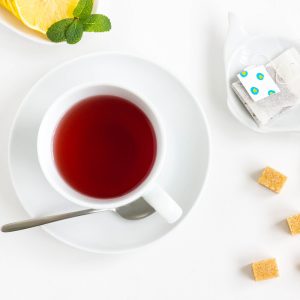
Rooibos leaves are fermented to develop their characteristic reddish-brown colour and rich flavour. To brew, steep 1–2 teaspoons of Rooibos leaves in boiling water for 5–7 minutes. It can be enjoyed plain or with milk and honey for a comforting, naturally caffeine-free treat.
3. Yerba Mate (South America) – The Social Energizer⚡
History & Ceremonies
Yerba Mate is a South American herbal tea deeply rooted in the cultures of Argentina, Paraguay, Uruguay, and Brazil. Traditionally, it’s shared in a communal circle, sipped through a bombilla (metal straw) from a hollowed-out gourd. Known as the “drink of friendship,” it’s a symbol of community and connection.
Medicinal Benefits
Yerba Mate is celebrated for its ability to boost energy, focus, and physical performance. It contains caffeine, theobromine (found in chocolate), and over 24 vitamins and minerals, making it a natural energizer. Studies have shown it may also aid in weight management, enhance digestion, and support heart health.
How It’s Made
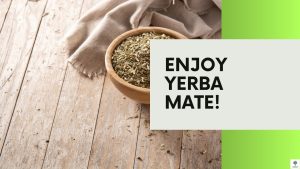
Dried Yerba Mate leaves are steeped in hot water (not boiling) in a gourd, and the infusion is sipped through the bombilla. While traditional preparation is a ritual, Yerba Mate tea bags or loose leaves can also be brewed in a teapot for convenience.
4. Hibiscus Tea (Africa & the Caribbean) – The Tangy Healer🍵
History & Ceremonies
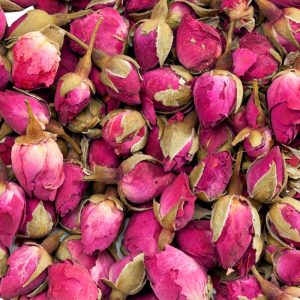
Hibiscus tea, made from the dried petals of the Hibiscus sabdariffa flower, has a rich history spanning continents. In Africa, it’s known as karkade and is a staple in Egyptian weddings and Sudanese gatherings. In the Caribbean, it’s enjoyed as a festive holiday drink called sorrel, often spiced with ginger and cloves.
Medicinal Benefits
Hibiscus tea is a natural remedy for high blood pressure. Studies in the Journal of Nutrition confirm that it can help lower systolic blood pressure in adults. Packed with vitamin C, it boosts immunity, promotes healthy skin, and supports liver health.
How It’s Made
To brew, steep 1–2 teaspoons of dried hibiscus petals in hot water for 5–10 minutes. Its tangy, cranberry-like flavour is delicious on its own or sweetened with honey. For a refreshing twist, try it iced with a splash of lime juice.
5. Chai (India) – The Spiced Comfort🌱

History & Ceremonies
Chai, or masala chai, originated in India over 5,000 years ago as a medicinal drink. With its roots in Ayurveda, chai was traditionally made with a blend of spices to promote digestion and immunity. Today, it’s an integral part of Indian hospitality, served from roadside stalls to family kitchens.
Medicinal Benefits
Chai is a warming blend of spices like ginger, cardamom, cinnamon, cloves, and black pepper. These spices have anti-inflammatory properties, aid digestion, and improve circulation. Combined with black tea, it provides a gentle caffeine boost for energy and focus.
How It’s Made
To prepare traditional chai, simmer black tea, milk, water, and spices together until fragrant. Sweeten with sugar or honey, strain, and enjoy its comforting warmth. For a caffeine-free option, substitute black tea with Rooibos or herbal teas.
A Cup of Global Wellness🌿🍵
Herbal teas are more than just beverages—they’re stories steeped in history, culture, and wellness. From the mindful ceremonies of Japan’s matcha to the communal rituals of South America’s Yerba Mate, each tea offers a unique way to connect with nature, tradition, and ourselves.
Whether you’re looking to energize your day with Yerba Mate, find calm with Rooibos, or indulge in the rich spices of Chai, these teas invite you to explore the world, one sip at a time.
Which of these teas will you try next? Don’t forget to check out more herbal health wisdom here at Herbhearts. Let’s sip our way to wellness together!💚
Please remember that it’s always a good idea to consult a healthcare professional before adding herbal teas to your routine


