


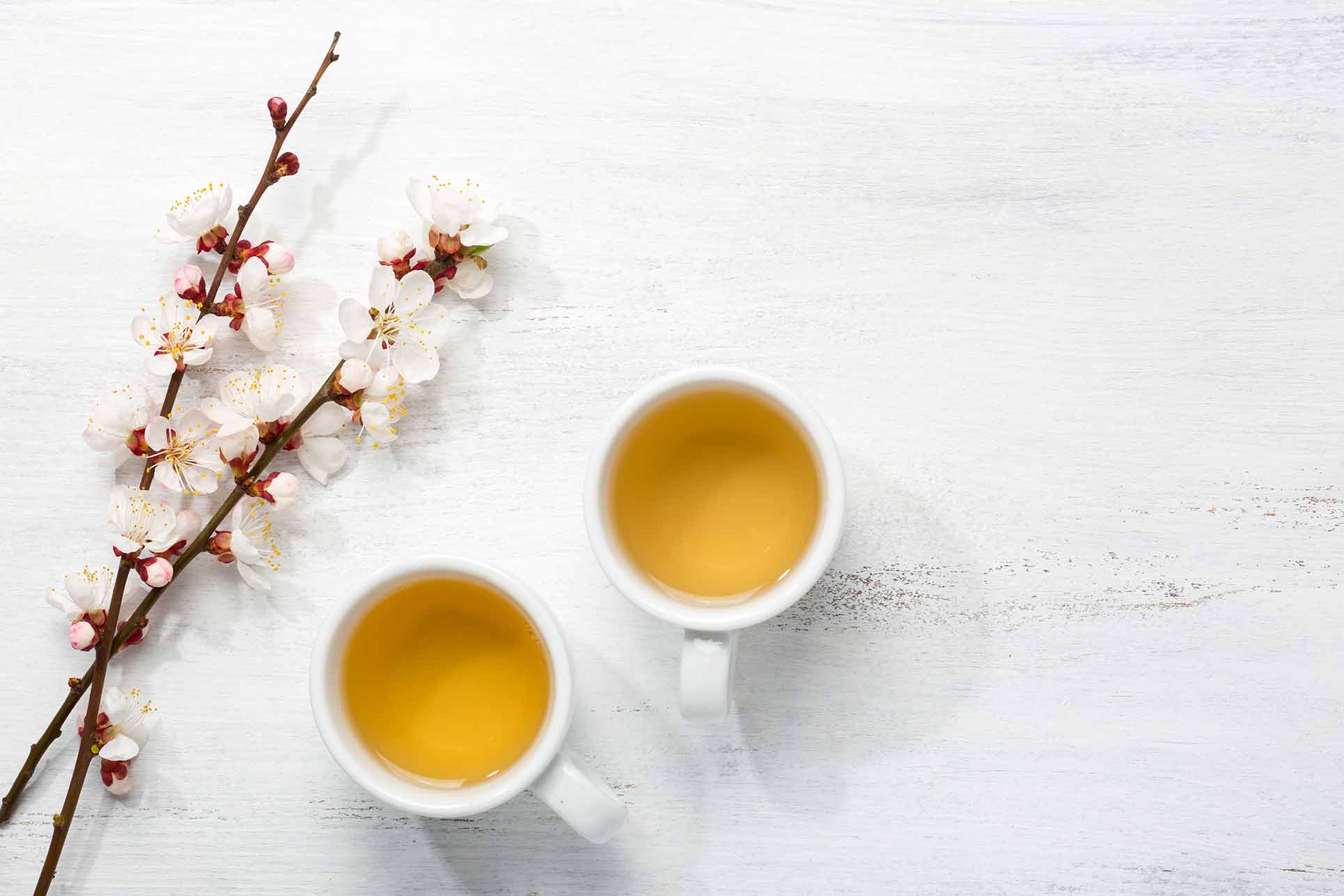

BEST HERBAL TEAS FOR JOINT & MUSCLE PAIN
🌿☕
Joint pain, whether caused by arthritis, inflammation, or overuse, can impact mobility and quality of life. Herbal teas offer natural relief, thanks to their anti-inflammatory, antioxidant, and pain-relieving properties. Muscle pain can be caused by exercise, injury, inflammation, or conditions like fibromyalgia. Herbal teas offer a natural and effective way to relax muscles, reduce inflammation, and promote healing. Below are some of the best herbal teas for muscle pain, supported by scientific evidence.
1. Turmeric Tea – The Anti-Inflammatory Powerhouse 🟡
Benefits for Joint Pain:
✅ Reduces inflammation – Curcumin, the active compound in turmeric, is a potent anti-inflammatory.
✅ Supports cartilage health – Helps slow the progression of arthritis.
✅ Works as a natural painkiller – Some studies compare curcumin’s effect to ibuprofen.
🔹 A study in The Journal of Medicinal Food (2016) found that curcumin reduces arthritis symptoms as effectively as some NSAIDs (nonsteroidal anti-inflammatory drugs).
🔹 Research in Phytotherapy Research (2019) confirms that turmeric improves mobility in osteoarthritis patients.
How to Make Turmeric Tea:
🟡 1 tsp ground turmeric (or 1 tbsp fresh turmeric root)
💧 2 cups hot water
🧂 A pinch of black pepper (enhances curcumin absorption)
🍯 Honey & lemon (optional)
Instructions:
1️⃣ Steep turmeric in hot water for 10 minutes.
2️⃣ Strain, add black pepper, honey, and lemon.
3️⃣ Enjoy twice daily for best results.
2. Ginger Tea – The Natural Pain Reliever 🫚
Benefits for Joint Pain:
✅ Blocks pain pathways – Ginger reduces pro-inflammatory cytokines that cause joint pain.
✅ Improves circulation – Helps remove toxins from joints.
✅ Eases stiffness – Great for morning stiffness in arthritis patients.
🔹 A study in Arthritis & Rheumatology (2015) found that ginger extract reduces osteoarthritis pain and improves mobility.
🔹 Research in The Journal of Nutrition (2012) highlights ginger’s ability to lower inflammatory markers in the body.
How to Make Ginger Tea:
🫚 1 tbsp fresh grated ginger (or 1 tsp dried ginger)
💧 2 cups hot water
🍯 Honey & lemon (optional)
Instructions:
1️⃣ Steep ginger in hot water for 10-15 minutes.
2️⃣ Strain, add honey and lemon.
3️⃣ Drink 1-2 times daily for relief.
3. Green Tea – The Cartilage Protector 🍃
Benefits for Joint Pain:
✅ Rich in polyphenols – Reduces joint degeneration.
✅ Blocks inflammatory enzymes – Prevents the breakdown of cartilage.
✅ Boosts metabolism – Supports weight loss, reducing stress on joints.
🔹 A study in Arthritis Research & Therapy (2010) found that EGCG (epigallocatechin gallate) in green tea protects cartilage from breakdown.
🔹 Research in The Journal of Inflammation (2014) confirms green tea reduces inflammation in rheumatoid arthritis patients.
How to Make Green Tea for Joint Pain:
🍃 1 green tea bag (or 1 tsp loose leaves)
💧 2 cups hot water
🍋 Lemon & honey (optional)
Instructions:
1️⃣ Steep green tea in hot water (not boiling!) for 3-5 minutes.
2️⃣ Add lemon for extra vitamin C (boosts antioxidant effects).
3️⃣ Drink 1-2 times daily.
4. Boswellia (Frankincense) Tea – The Ancient Remedy 🌳
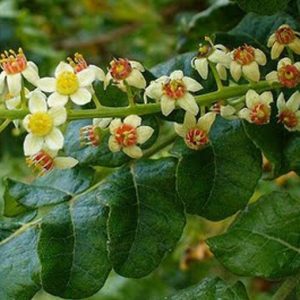
Benefits for Joint Pain:
✅ Lowers joint swelling – Blocks inflammatory enzymes like 5-LOX.
✅ Protects cartilage – Prevents further joint damage.
✅ Improves flexibility & mobility.
🔹 A study in Phytomedicine (2014) found that Boswellia reduces pain in osteoarthritis patients within 5 days.
🔹 Research in Clinical Rheumatology (2018) supports Boswellia’s effectiveness in improving joint function.
How to Make Boswellia Tea:
🌳 1 tsp dried Boswellia resin
💧 2 cups hot water
🍯 Honey (optional)
Instructions:
1️⃣ Steep in hot water for 10 minutes.
2️⃣ Strain and add honey.
3️⃣ Drink daily for joint health.
5. Nettle Tea – The Natural Anti-Inflammatory 🍃
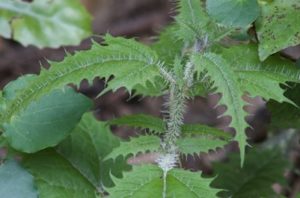
Benefits for Joint Pain:
✅ Reduces inflammation – Contains compounds that block inflammatory signals.
✅ Rich in minerals – Magnesium, calcium, and silica strengthen bones.
✅ Flushes out toxins – Supports kidney function to remove uric acid build-up (good for gout).
🔹 A study in Planta Medica (2013) found that nettles reduce inflammatory cytokines in arthritis patients.
🔹 Research in Phytotherapy Research (2018) confirms nettle’s effectiveness in reducing chronic joint pain.
How to Make Nettle Tea:
🍃 1 tbsp dried nettle leaves
💧 2 cups hot water
🍯 Honey & lemon (optional)
Instructions:
1️⃣ Steep in hot water for 10 minutes.
2️⃣ Strain, add honey or lemon.
3️⃣ Drink 1-2 times daily.
6. Willow Bark Tea – The Natural Aspirin 🌳
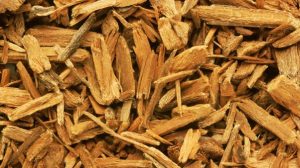
Benefits for Joint Pain:
✅ Contains salicin – The natural compound similar to aspirin.
✅ Reduces swelling & stiffness.
✅ Provides long-lasting relief.
🔹 A study in Phytotherapy Research (2014) found that willow bark reduces joint pain and inflammation in osteoarthritis patients.
🔹 Research in European Journal of Pain (2015) confirms willow bark’s effectiveness in managing chronic pain.
How to Make Willow Bark Tea:
🌳 1 tsp dried willow bark
💧 2 cups hot water
🍯 Honey (optional)
Instructions:
1️⃣ Steep in hot water for 10-15 minutes.
2️⃣ Strain and add honey.
3️⃣ Drink once daily for relief.
7. Chamomile Tea – The Muscle Relaxant 🌼
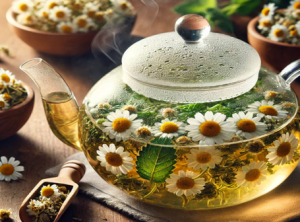
Benefits for Muscle Pain:🌿💪
✅ Reduces muscle spasms – Contains flavonoids that relax muscles.
✅ Relieves stress & tension – Helps with tension-related muscle pain.
✅ Improves sleep – Enhances muscle recovery overnight.
🔹 A study in Molecular Medicine Reports (2010) found that chamomile helps muscles relax by increasing glycine levels in the body.
🔹 Research in BMC Complementary Medicine (2018) confirms that chamomile relieves muscle cramps and spasms.
How to Make Chamomile Tea:
🌼 1 tbsp dried chamomile flowers (or 1 chamomile tea bag)
💧 2 cups hot water
🍯 Honey & cinnamon (optional)
Instructions:
1️⃣ Steep chamomile in hot water for 10 minutes.
2️⃣ Strain, add honey or cinnamon.
3️⃣ Drink before bedtime for overnight muscle relaxation.
8. Peppermint Tea – The Cooling Pain Reliever 🌿

Benefits for Muscle Pain:
✅ Reduces muscle tension – Works as a natural muscle relaxant.
✅ Cools and soothes sore muscles.
✅ Relieves headaches & body aches – Good for post-workout soreness.
🔹 A study in Phytomedicine (2013) found that peppermint contains menthol, which relaxes muscles and reduces pain signals.
🔹 Research in The Journal of International Society of Sports Nutrition (2016) found that peppermint tea improves oxygen flow to muscles, reducing fatigue.
How to Make Peppermint Tea:
🌿 1 tbsp dried peppermint leaves (or 1 peppermint tea bag)
💧 2 cups hot water
🍋 Lemon & honey (optional)
Instructions:
1️⃣ Steep peppermint in hot water for 10 minutes.
2️⃣ Strain, add lemon or honey.
3️⃣ Drink before or after physical activity for pain relief.
9. Valerian Root Tea – The Deep Muscle Relaxer 🌿
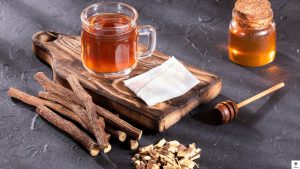
Benefits for Muscle Pain:
✅ Relaxes muscles deeply – Great for tension-related pain.
✅ Eases chronic pain conditions – Helpful for fibromyalgia & arthritis.
✅ Promotes deep sleep – Helps with overnight muscle recovery.
🔹 A study in BMC Complementary Medicine & Therapies (2017) found that valerian root reduces muscle tension and nerve-related pain.
🔹 Research in The Journal of Alternative & Complementary Medicine (2018) confirms that valerian root tea improves sleep and reduces stress-related muscle pain.
How to Make Valerian Root Tea:
🌿 1 tsp dried valerian root
💧 2 cups hot water
🍯 Honey (optional)
Instructions:
1️⃣ Steep valerian root in hot water for 10-15 minutes.
2️⃣ Strain and add honey.
3️⃣ Drink before bed for deep muscle relaxation.
10. Rooibos Tea – The Muscle Recovery Booster 🍂
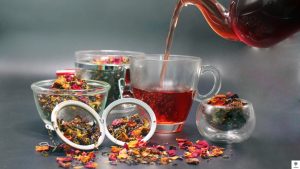
Benefits for Muscle Pain:
✅ Rich in antioxidants – Helps muscles recover faster.
✅ Supports circulation – Reduces muscle fatigue.
✅ Caffeine-free & soothing – Perfect for night time relaxation.
🔹 A study in Antioxidants (2019) found that rooibos contains quercetin and aspalathin, which reduce muscle inflammation.
🔹 Research in The Journal of Sports Nutrition (2021) found that rooibos tea improves recovery in athletes.
How to Make Rooibos Tea:
🍂 1 rooibos tea bag (or 1 tsp loose rooibos tea)
💧 2 cups hot water
🍯 Honey & vanilla (optional)
Instructions:
1️⃣ Steep rooibos in hot water for 10 minutes.
2️⃣ Add honey or vanilla for flavour.
3️⃣ Drink after exercise to boost recovery.
If you suffer from joint pain, incorporating herbal teas into your daily routine can provide natural relief without the side effects of synthetic painkillers. Drinking herbal teas can help reduce muscle pain naturally, improve recovery time, and relax tense muscles.
Best Teas for Joint & Muscle Pain Relief:
🌟 Turmeric Tea – Powerful anti-inflammatory & pain relief
🌟 Ginger Tea – Reduces stiffness & improves circulation
🌟 Green Tea – Protects cartilage & reduces inflammation
🌟 Boswellia Tea – Improves mobility & flexibility
🌟 Nettle Tea – Rich in minerals for bone & joint health
🌟 Willow Bark Tea – Natural aspirin alternative
🌟 Peppermint Tea – Soothes muscle tension & relieves body aches
🌟 Valerian Root Tea – Deep muscle relaxation & pain relief
🌟 Rooibos Tea – Speeds up muscle recovery & reduces fatigue.
Please remember that it’s always a good idea to consult a healthcare professional before adding herbal teas to your routine. 🌿💚


