


BENEFICIAL HERBAL TEAS FOR THE MIND
Herbal teas offer a natural way to support mental well-being, with calming properties that reduce stress, promote relaxation, and improve mood, helping you find balance in your daily life. Organic herbal teas are not only soothing but also packed with compounds that can positively affect mental health. Herbal teas are excellent for mental health because they contain natural compounds that help reduce stress, improve mood, and support brain function. Here’s how they benefit mental well-being:
1. Reduces Stress & Anxiety 🌿🧘♀️
Many herbal teas contain adaptogenic and calming herbs that lower cortisol (the stress hormone) and promote relaxation.
✅ Chamomile – Acts as a natural mild sedative, reducing anxiety and improving sleep.
✅ Lemon Balm – Helps ease nervous tension and supports emotional balance.
✅ Holy Basil (Tulsi) – An adaptogen that helps the body cope with stress and emotional fatigue.
2. Improves Sleep & Relaxation 😴💤
Poor sleep affects mood, concentration, and overall mental health. Herbal teas help induce relaxation and enhance sleep quality.
✅ Valerian Root – Known as “nature’s tranquilizer,” it helps with insomnia and promotes deep sleep.
✅ Lavender Tea – Soothes the nervous system, reducing restlessness and helping with sleep disorders.
✅ Passionflower Tea – Boosts GABA levels in the brain, promoting relaxation and sleep.
3. Boosts Mood & Fights Depression 😊💛
Some herbs have natural antidepressant properties by boosting serotonin and dopamine levels.
✅ St. John’s Wort – A well-researched herb that helps with mild depression and mood stabilization.
✅ Rhodiola Rosea – Enhances mental clarity, reduces fatigue, and boosts overall mood.
✅ Saffron Tea – Contains compounds that elevate mood and reduce symptoms of mild depression.
4. Enhances Cognitive Function & Focus 🧠⚡
Herbal teas support brain health by improving circulation, reducing oxidative stress, and enhancing focus.
✅ Ginkgo Biloba – Improves blood flow to the brain, enhancing memory and cognitive function.
✅ Peppermint Tea – Increases alertness and reduces mental fatigue.
✅ Rosemary Tea – Contains antioxidants that protect the brain and support memory retention.
5. Supports Gut Health & the Gut-Brain Connection 🏵️💚
The gut and brain are closely linked, and a healthy digestive system improves mental well-being.
✅ Ginger Tea – Reduces nausea and promotes a healthy gut microbiome, which influences mood.
✅ Fennel Tea – Helps digestion, reducing bloating and discomfort that can impact mental well-being.
✅ Licorice Root Tea – Balances gut bacteria and supports adrenal health. Whether you’re unwinding after work, fighting off a cold, or just looking for a healthy alternative to sugary drinks. Herbal teas like chamomile, lavender, and lemon balm have calming properties that help reduce anxiety and promote better sleep. Chamomile, in particular, is known for its ability to calm the nervous system and promote deep, restful sleep.
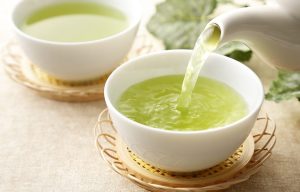
Enhances Focus and Cognitive Function
Certain teas improve concentration, memory, and cognitive function, making it easier to manage tasks and combat brain fog.
Example:
✅Ginseng Tea: Boosts energy and mental clarity.
✅Balances Hormones
Herbal teas that regulate hormonal levels can help stabilize mood swings, particularly during PMS or menopause.
Example:
✅Raspberry Leaf Tea: Helps regulate hormones and reduce mood-related symptoms of hormonal fluctuations.
✅Reduces Symptoms of Depression
Certain teas contain natural compounds that work as mild antidepressants by improving neurotransmitter activity.
Example:
✅Ashwagandha Tea: Helps lower cortisol levels and reduces symptoms of depression.
✅Encourages Mindfulness
Drinking herbal tea can be a ritual that encourages mindfulness and presence, which are key practices for mental health.
Example: Sipping tea slowly in a quiet, peaceful setting can help centre your thoughts.
Calms the Nervous System.
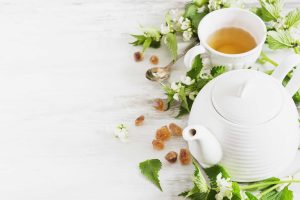
Herbal teas with adaptogenic properties can regulate the body’s stress response, helping you feel more balanced and in control.
Example:
Fights Mental Fatigue
Herbal teas with energy-boosting properties help combat mental exhaustion and improve mental stamina.
Example:
✅Yerba Mate Tea: Provides a gentle energy boost without the jittery effects of caffeine.
✅Licorice Root Tea: Supports adrenal health and combats fatigue from prolonged stress.
Enhances Emotional Resilience
✅ herbs in teas can help the body adapt to emotional stress and improve resilience to challenges.
- Example:
- Maca Root Tea: Known for its mood-balancing and energizing effects.
- Rhodiola Tea: Improves the body’s ability to cope with mental and emotional stress.
Promotes Relaxation and Tranquillity
- The soothing process of brewing and drinking tea promotes a sense of peace and relaxation, which can significantly benefit mental well-being.
- Example: Any warm herbal tea, like chamomile or rooibos, can create a calming ritual.
Reduces Symptoms of Panic Disorders
- Some teas help regulate neurotransmitters and reduce the likelihood of panic attacks or heightened anxiety.
- Example:
- Passionflower Tea: Known for reducing symptoms of panic and calming overactive thoughts.
Helps With Seasonal Affective Disorder (SAD)
- Teas rich in mood-enhancing compounds can help combat the emotional lows associated with seasonal changes.
- Example:
- St. John’s Wort Tea: Often used as a natural remedy for SAD.
Improves Emotional Well-Being🌿
- Herbal teas are rich in antioxidants, which help protect the brain from oxidative stress, a contributing factor in mental health issues.
- Example:
- Green Tea (Decaffeinated): Contains L-theanine, which promotes relaxation and reduces anxiety.
Supports Long-Term Brain Health
- Regular consumption of herbal teas can improve brain health and reduce the risk of neurodegenerative diseases, such as Alzheimer’s and Parkinson’s.
- Example:
- Ginkgo Biloba Tea: Improves memory and protects brain cells.
Drinking organic herbal teas can provide mental health benefits ranging from stress relief to mood enhancement, all while offering a comforting and mindful experience. Incorporating these teas into your daily routine can contribute to a healthier and happier mind. A warm cup of herbal tea before bed can be an ideal way to wind down after a long, stressful day, leaving you feeling more relaxed and refreshed the next morning. Their gentle, relaxing properties can improve mood, boost focus, and create a sense of tranquillity, making herbal teas an ideal addition to your daily routine for mental clarity and emotional balance.💚🌿
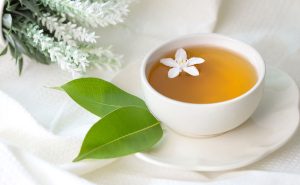
Best All-Purpose Headache Tea: Ginger & Peppermint Blend
Why?
✅ Ginger – Anti-inflammatory, reduces migraine severity, helps with nausea.
✅ Peppermint – Relaxes muscles, improves blood flow, eases tension headaches.
How to Make It:
- 1 teaspoon fresh ginger (or ½ teaspoon dried ginger)
- 1 teaspoon dried peppermint leaves
- 2 cups hot water
- Steep for 10 minutes, strain, and drink warm.
You can also add honey or lemon for extra benefits.

Please remember that it’s always a good idea to consult a healthcare professional before adding herbal teas to your routine.


