


LEMON GRASS/FEVER GRASS
Welcome, or welcome back to Herbhearts, your trusted source for all things herbal tea! 🌿✨
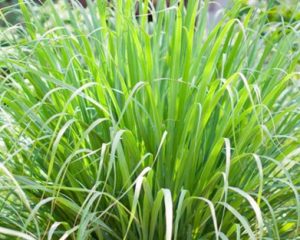
Lemongrass or fever grass, with its vibrant citrus aroma and countless health benefits, has been a cherished herb for centuries. Whether used in teas, essential oils, or cuisine, lemongrass offers a perfect blend of flavour, utility, and healing properties.
🌍Native to tropical regions of Asia, Africa, and Australia, lemongrass has been a staple in traditional medicine and cooking for over a millennium. It is often associated with Ayurvedic and traditional Chinese medicine, where it was used to treat fevers, infections, and digestive issues. In Southeast Asia, lemongrass became an integral part of the culinary landscape, adding its signature flavour to soups, curries, and teas. It was also revered as a symbol of purification in some cultures, often used in rituals and ceremonies. ☕🌿
Lemongrass, a fragrant tropical plant, is widely used in traditional medicine and modern wellness practices. It offers a range of medicinal benefits, thanks to its rich profile of essential nutrients and bioactive compounds like citral, limonene, and flavonoids.
Promotes Digestive Health 🍽️💛
- Lemongrass is a natural remedy for indigestion, bloating, and stomach cramps. It helps stimulate the production of digestive enzymes and soothes the gastrointestinal tract.
Reduces Inflammation 🔥
- Lemongrass contains anti-inflammatory compounds such as citral and geraniol, which can help alleviate symptoms of arthritis, muscle pain, and other inflammatory conditions.
Supports Detoxification 🌼
- Acting as a diuretic, lemongrass aids in flushing out toxins from the body by promoting urination. This supports kidney health and reduces water retention.
Boosts Immunity 🛡️
- The antimicrobial and antioxidant properties of lemongrass enhance the immune system\u2019s ability to fight infections.
Helps Manage Anxiety and Stress 😊
- Lemongrass is known for its calming effects. Drinking lemongrass tea or using its essential oil in aromatherapy helps reduce anxiety, stress, and even mild depression.
Lowers Cholesterol 🩺
- Studies have shown that lemongrass oil can reduce LDL (bad cholesterol) levels, improving overall cardiovascular health.
Aids in Weight Loss 🧑⚕️
- As a diuretic and digestive aid, lemongrass can help in maintaining a healthy weight by reducing bloating and improving metabolism.
Regulates Blood Pressure 🩸
- Lemongrass tea is often used to lower blood pressure naturally, thanks to its ability to relax blood vessels and improve circulation.
Alleviates Fever 🤒
- Often referred to as “fever grass,” lemongrass is used to reduce fever by promoting sweating.
Improves Skin and Hair Health 💆♀️
- Its antimicrobial and astringent properties make it effective in treating acne, controlling excess oil, and promoting a healthy scalp for hair growth.
Uses of Lemongrass 🌿
Lemongrass is versatile and can be used in various forms for its medicinal benefits:
1. Tea
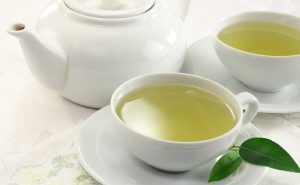
- Preparation: Fresh or dried lemongrass leaves are steeped in boiling water for 5-10 minutes.
- Uses: Relieves digestive issues, reduces stress, and promotes detoxification.
2. Essential Oil
- Extracted from the plant, lemongrass essential oil is used in aromatherapy, massage oils, and skincare products.
- Uses: Reduces anxiety, relieves muscle pain, and treats fungal infections.
3. Culinary Ingredient
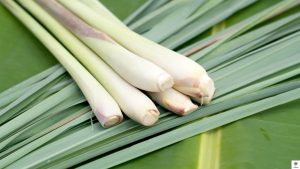
- Fresh lemongrass stalks are widely used in soups, curries, and teas for their flavour and health benefits.
- Uses: Enhances digestion and boosts immunity through food.
4. Bath Soak or Compress
- Lemongrass leaves can be infused into a bath or applied as a compress to relieve muscle pain and inflammation.
- Uses: Soothes sore muscles and relaxes the body.
5. Skin Toner
- Homemade or commercial toners with lemongrass help to tighten pores and reduce acne.
- Uses: Controls oily skin and clears blemishes.
6. Natural Insect Repellent
- The strong citrusy aroma of lemongrass repels mosquitoes and other insects.
- Uses: Applied as sprays or in candles for outdoor protection.
7. Herbal Supplements
- Lemongrass is available in capsule form or tinctures for consistent therapeutic use.
- Uses: Helps manage chronic conditions like high cholesterol or stress.
Medicinal Benefits of Lemongrass
- Antioxidant Properties
Rich in antioxidants like chlorogenic acid and caffeic acid, lemongrass helps combat free radicals, reducing the risk of chronic diseases.
- Supports Digestive Health
Lemongrass tea has been traditionally used to soothe the stomach, alleviate bloating, and promote healthy digestion.
- Boosts Immunity
Its antibacterial and antifungal properties help fight infections and strengthen the immune system. This is thanks to the chief chemical component in lemongrass herb, citral or lemonal, an aldehyde responsible for its unique lemon odour, this compound has been used in the commercial production of vitamin-A.
- Reduces Stress and Anxiety
When consumed as tea or used in aromatherapy, lemongrass is known to calm the mind and reduce stress.
- Helps with Pain and Inflammation
Lemongrass oil is used in traditional medicine to relieve headaches, muscle pain, and inflammation.
- The herb carries 99 calories per 100 g but contains no cholesterol.
- Additionally, its herb parts also carry other essential oils such as myrcene, citronellol, methyl heptanone, di pentene, geraniol, limonene, geranyl acetate, nerol, etc. These compounds are known to have counterirritant, rubefacient, insecticidal, antifungal and anti-septic properties.
- Its leaves and stems are very good in folate (100 g leaves and stem provide about 75 µg or 19% of RDA). Folates play a vital role in cell division and DNA synthesis. When given during the peri-conception period, they can help prevent neural tube defects in the baby.
How to Make Lemongrass Tea ☕
Ingredients
- 2 stalks of fresh lemongrass (or 1 tbsp dried lemongrass)
- 2 cups of water
- Optional: Honey or lemon for flavour
Instructions
- Chop the lemongrass stalks into small pieces.
- Boil the water in a pot and add the lemongrass.
- Let it simmer for 10 minutes.
- Strain into a cup, add honey or lemon if desired, and enjoy the refreshing taste!
Lemongrass is more than just a fragrant herb—it’s a versatile ingredient with a rich history and powerful medicinal benefits. From enhancing your meals to supporting your health, lemongrass offers a world of possibilities.
While lemongrass is generally safe, certain precautions should be taken.
- Pregnancy: Excessive use may cause uterine contractions, so pregnant women should consult a doctor before use.
- Allergic Reactions: Some individuals may experience skin irritation or allergic reactions to lemongrass oil.
- Blood Pressure Medication: Lemongrass may interact with antihypertensive
Stay tuned to Herbhearts for more herbal tea guides, and tips. Happy sipping! 🌿💚


