


BENEFICIAL HERBAL TEAS FOR THE BODY
Herbal tea has been cherished for centuries across various cultures, not only for its comforting flavours but also for its healing properties. Unlike traditional teas made from the Camellia sinensis plant, herbal teas are crafted from an infusion of herbs, flowers, fruits, and roots, offering a wide range of benefits for both body and mind. Whether you’re looking for a relaxing bedtime beverage or a natural remedy for specific ailments, herbal tea can be your go-to drink. Herbal teas are packed with natural compounds that support digestion, boost immunity, and promote detoxification, helping to enhance your overall internal health and vitality.
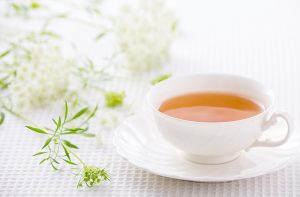
Why Drink Herbal Tea?
One of the standout benefits of herbal tea is its rich content of antioxidants. Herbs like chamomile, hibiscus, and peppermint are packed with antioxidants that help combat oxidative stress in the body. Antioxidants play a crucial role in protecting your cells from free radical damage, which can contribute to aging and various chronic diseases. Drinking herbal tea regularly can help maintain a healthy, youthful glow and support overall well-being. Organic herbal teas offer a range of health benefits due to their natural compounds, lack of chemical additives, and the therapeutic properties of the herbs they contain. Check out some of the benefits:
Supports Relaxation and Stress Relief🌿💚
- Herbal teas like chamomile, lavender, and lemon balm have calming properties that help reduce stress, anxiety, and promote relaxation.
- Example: Chamomile tea is particularly effective for soothing the mind and inducing restful sleep.
Promotes Digestive Health🏵️💚
- Many herbal teas aid digestion, relieve bloating, and ease stomach discomfort.
- Example: Peppermint tea soothes indigestion and irritable bowel syndrome (IBS), while ginger tea helps with nausea and motion sickness.
Boosts Immunity😊
- Organic herbal teas are rich in antioxidants, vitamins, and minerals that strengthen the immune system and help fight infections.
- Example: Echinacea tea is known to boost immunity and reduce the severity of colds.
Detoxifies the Body🏵️💚
- Herbs like dandelion, lemongrass, and nettle have detoxifying properties that help cleanse the liver and kidneys, promoting overall health.
- Example: Dandelion tea supports liver health by flushing out toxins.
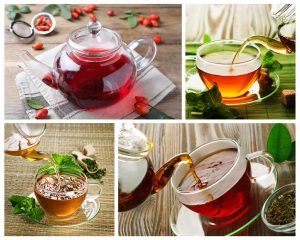
Improves Sleep Quality😴💤
- Herbal teas with sedative properties, such as valerian root and chamomile, are excellent natural remedies for insomnia.
- Example: A cup of chamomile tea before bed helps calm the nervous system and promotes deeper sleep.
Reduces Inflammation🌕🌿
- Many herbal teas, such as turmeric, ginger, and green tea, have anti-inflammatory properties that alleviate pain, arthritis, and other inflammatory conditions.
- Example: Turmeric tea contains curcumin, which helps reduce joint inflammation.
Enhances Mental Clarity and Focus🧠⚡
- Herbal teas like ginseng, rosemary, and peppermint improve concentration, mental clarity, and memory.
- Example: Ginseng tea is often used to boost energy and cognitive performance.
Aids Weight Management✔
- Some herbal teas support weight loss by boosting metabolism, reducing appetite, and aiding fat breakdown.
- Example: Green tea and oolong tea contain catechins that promote fat oxidation and weight management.
Balances Hormones
- Certain teas help regulate hormones, especially during PMS, menopause, or hormonal imbalances.
- Example: Raspberry leaf tea is often used to support women’s reproductive health and ease menstrual cramps.
Provides Antioxidant Protection
- Herbal teas are packed with antioxidants like polyphenols and flavonoids, which help neutralize free radicals and prevent cell damage.
- Example: Hibiscus tea is a powerful antioxidant-rich drink that also supports heart health.
Natural Remedy for Respiratory Health🔥🌿
- Teas like thyme, eucalyptus, and licorice root are excellent for soothing coughs, clearing nasal passages, and improving breathing.
- Example: Licorice tea helps reduce throat irritation and supports lung function.
Supports Heart Health💚💚
- Some herbal teas help lower blood pressure, reduce cholesterol, and improve circulation.
- Example: Hibiscus tea is known to help lower blood pressure and improve heart health.
Hydration💧🌿
- Herbal teas are a flavourful way to stay hydrated, especially for people who may not enjoy drinking plain water.
Caffeine-Free Option🍵🌿
- Unlike traditional teas or coffee, many herbal teas are naturally caffeine-free, making them suitable for people sensitive to caffeine.
- Example: Rooibos and chamomile tea are great alternatives to caffeinated beverages.
Promotes Skin Health
- The antioxidants and anti-inflammatory compounds in herbal teas can improve skin health by reducing acne, inflammation, and promoting a glowing complexion.
- Example: Rooibos tea is often used to combat signs of aging and skin irritations.
Supports Weight Loss😊🍵
- Many herbal teas improve metabolism, reduce cravings, and support healthy digestion, aiding in weight management.
- Example: Green tea and oolong tea are popular options for weight loss.
Drinking organic herbal teas is a holistic approach to health and wellness, offering benefits for the mind, body, and spirit. By choosing organic options, you avoid exposure to pesticides and synthetic chemicals, ensuring a purer and healthier experience.
Precautions When Drinking Organic Herbal Teas
Herbal teas can offer numerous health benefits, but they also require caution to avoid potential side effects or adverse reactions. Below are key precautions to consider:
Know the Ingredients
- Research Each Herb: Some herbs, while beneficial, may cause adverse reactions for specific individuals (e.g., allergies or sensitivities).
- Avoid Unknown Blends: Ensure the tea comes from a reputable source and lists all ingredients.
Check for Allergies
- Potential Allergens: Herbs like chamomile, echinacea, or hibiscus can cause allergic reactions, especially for individuals allergic to plants in the same family.
- Perform a Patch Test (for topical use): Before drinking tea made from herbs that can irritate, test a small amount first.
Consult a Healthcare Provider
- Pregnancy and Breastfeeding: Herbs such as licorice, sage, and parsley may be unsafe for pregnant or nursing women.
- Medication Interactions: Some herbal teas, like St. Johns Wort or ginseng, may interfere with medications, including anticoagulants, antidepressants, or blood pressure drugs.
- Existing Medical Conditions: If you have diabetes, heart disease, or kidney issues, some herbal teas might not be suitable.
Moderation is Key
- Avoid Overconsumption: Drinking excessive amounts of certain teas, like green tea or peppermint tea, can cause nausea, headaches, or other side effects.
- Daily Limit: Stick to 2-3 cups per day unless otherwise advised by a healthcare professional.
Understand the Herbs Potency
- Strength of Brew: Some teas, like valerian root or kava, can be very potent and should only be consumed in small amounts or before bedtime.
- Duration of Use: Herbs like senna (a natural laxative) should not be used long-term as they can harm the digestive system.
Ensure Quality and Safety
- Organic Certification: Choose certified organic teas to minimize exposure to pesticides or contaminants.
- Check for Contamination: Avoid teas that might be contaminated with heavy metals, moulds, or bacteria.
Be Wary of Herbal Teas for Detox
- Over-Promising Detox Teas: Many detox teas contain diuretics or laxatives like senna, which can cause dehydration, electrolyte imbalance, or dependency.
Prepare Tea Correctly
- Follow Instructions: Use the correct amount of herbs and steep time to avoid an overly strong brew.
- Avoid Boiling Delicate Herbs: Boiling sensitive herbs like chamomile or green tea can destroy beneficial compounds.
Monitor for any Side Effects
- Common Symptoms: Watch for nausea, headaches, dizziness, or skin rashes.
- Stop Immediately: Discontinue use if you notice any adverse reactions and consult a healthcare provider.
Specific Population Precautions
- Children: Some herbs, like licorice or peppermint, may not be suitable for children under 12.
- Elderly: Sensitivity to herbs may increase with age, so dosage adjustments may be necessary.
By following these precautions, you can enjoy the benefits of organic herbal teas while minimizing risks. Always remember that herbal remedies are powerful and should be treated with care. Please remember that it’s always a good idea to consult a healthcare professional before adding herbal teas to your routine.


